What is PMI Testing? Complete Guide to Positive Material Identification
Overview
Positive Material Identification (PMI) testing is an essential material verification method used to confirm the chemical composition and alloy grade of metal components. It helps identify material mix-ups, prevent incorrect alloy substitution and ensure compliance with project specifications and industry standards. Common PMI technologies include handheld X-ray Fluorescence (XRF), Optical Emission Spectroscopy (OES) and Laser-Induced Breakdown Spectroscopy (LIBS). Widely used in oil and gas, petrochemical, power generation and other critical industries, PMI inspection provides an important layer of quality control throughout the material supply chain.
What is PMI Testing?
PMI testing, short for Positive Material Identification, is a widely adopted non-destructive or semi-non-destructive inspection method used to verify the chemical composition and alloy grade of metal components. If you are searching for what is PMI testing and its application in industrial quality control, this guide explains the working principle, test technologies, industry standards and practical use cases of PMI inspection.
Many alloy materials look identical visually, which creates a major risk of material mix-up or grade substitution in global supply chains. Unlike a Mill Test Certificate (MTC), which is a factory-issued document, PMI testing performs direct chemical analysis on the actual workpiece, to confirm the material matches the purchase order, drawing and project specification. This material verification step prevents catastrophic failures under high-temperature, high-pressure or sour service conditions, and helps companies avoid safety incidents, project delays and costly commercial claims.
Common PMI Testing Technologies
Three spectroscopic techniques dominate onsite PMI analysis for industrial projects.
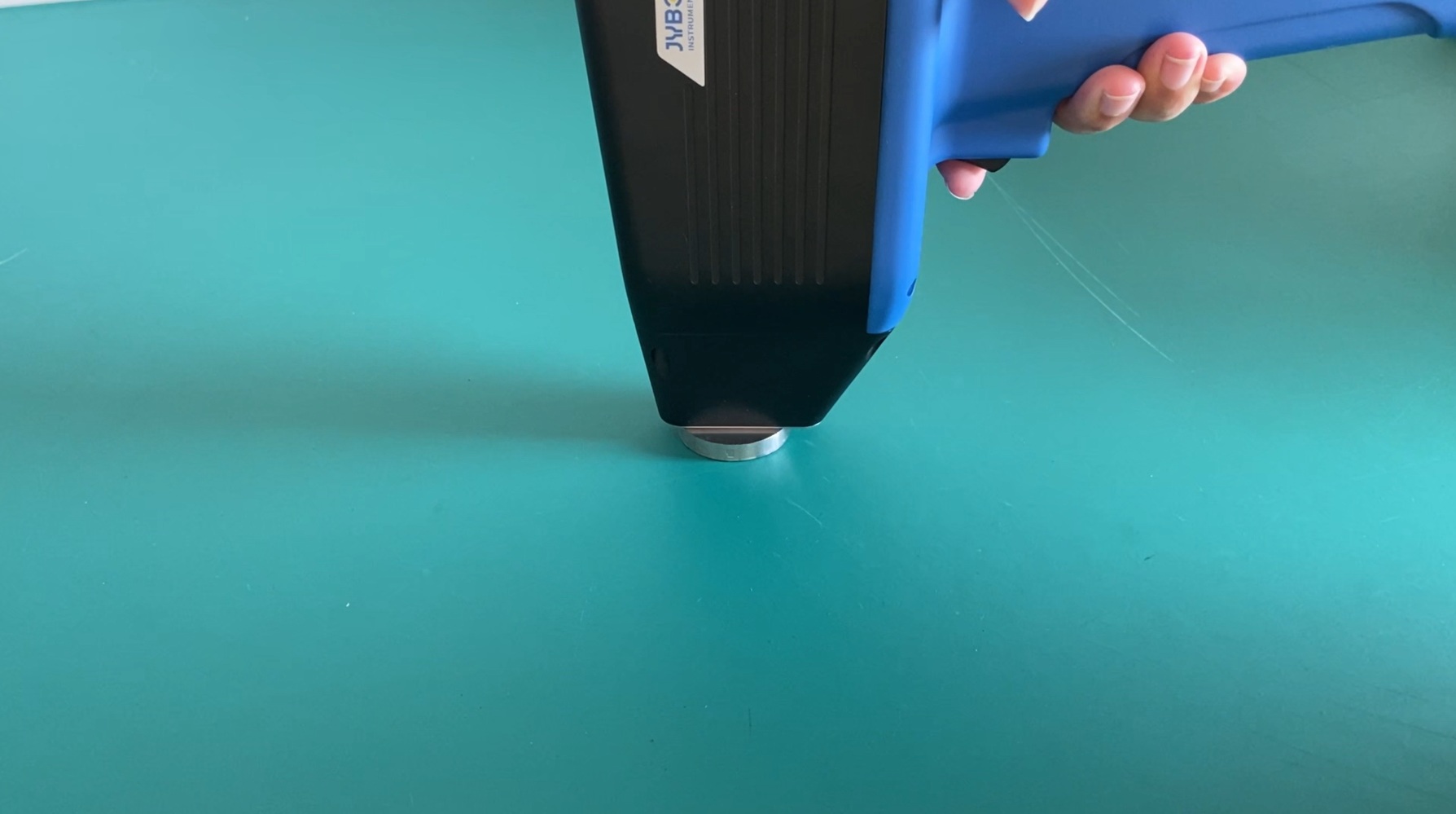
Handheld XRF PMI testing: Fully non-destructive, instant results on site. It is the most popular tool for rapid sorting of stainless steel, duplex steel, nickel-based alloys and other high alloys. The limitation of XRF PMI is poor detection of light elements such as carbon, sulphur and phosphorus.
OES PMI analysis (Mobile Optical Emission Spectroscopy): Minor surface spark mark, capable of accurate measurement of C, S and P. It is preferred for carbon steel, low alloy steel and Cr-Mo alloy PMI inspection where carbon content control is critical.
LIBS PMI testing (Laser-Induced Breakdown Spectroscopy): Emerging portable technology with strong performance on light element analysis, suitable for fast field screening and lightweight inspection workflows.
Industry Standards for PMI Inspection
API RP 578 is the primary global standard governing PMI testing programs for oil & gas, petrochemical and process industry assets. ASME and MSS SP-137 are also frequently referenced in tender documents and inspection plans.
Based on risk assessment, high-consequence components may require 100% PMI testing with fully traceable test records. PMI reports are normally submitted together with MTC, NDT records and other inspection documents for third-party witness, owner acceptance and project handover.
Where Is PMI Material Verification Applied?
PMI inspection runs through the full quality control workflow of metal supply chains: incoming raw material receiving inspection, in-process batch sorting, pre-shipment sampling or full testing, pre-installation verification at construction sites, and routine asset inspection for in-service equipment.
It is widely specified for energy projects, chemical plants, pressure vessels, aerospace parts, heavy machinery and critical alloy components. Overseas EPC buyers often list PMI testing capability as a mandatory requirement in RFQ and tender packages.
Important Clarification: What PMI Testing Cannot Do
PMI testing is designed for alloy grade confirmation and composition screening only. It cannot replace mechanical performance tests, including tensile test, impact test, metallographic examination and heat treatment validation.
Quality teams need to combine PMI inspection with a full set of material tests according to service conditions and project specifications, to balance compliance cost and risk control.
As global supply chain compliance becomes stricter, PMI testing has evolved from an optional check to a core quality gate for critical metal materials. Standardized, traceable Positive Material Identification helps suppliers block material fraud, satisfy API RP 578 and other international codes, and build trust with global industrial buyers.
FAQ
Q1: What is the difference between PMI testing and material certification (MTC)?
A: A Mill Test Certificate (MTC) documents the chemical composition and mechanical properties reported by the material manufacturer for a specific material batch or heat. PMI testing independently verifies the chemical composition of the actual component or selected material samples. While an MTC provides documented manufacturing information, PMI helps confirm that the material received, installed or inspected matches the specified alloy grade. Both serve important but different roles in material quality assurance.
Q2: Can handheld XRF analyzers identify carbon steel grades during PMI testing?
A: Handheld XRF analyzers can identify many alloying elements, including chromium, nickel, molybdenum and manganese, making them useful for alloy identification and sorting. However, conventional handheld XRF cannot reliably measure carbon content, which is essential for distinguishing many carbon steel and low-alloy steel grades. For applications requiring carbon analysis, Spark OES or other suitable analytical techniques should be considered based on the required elements, detection limits and testing specifications.
Please contact us for further inquiries or detailed information!
Tel:+86-183-5283 6805
Email:sales@jinyibo.com
Web:www.jinyibo.com