
JYBO CleanTech cleanliness inspection process fully adheres to international cleanliness standards, including VDA19, ISO16232, and other industry standards.
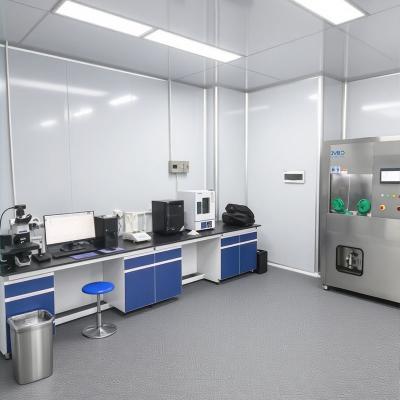
JYBO CleanTech cleanliness laboratory is capable of Class 1000 cleanroom operation, and its Class 100 operation chamber.
JYBO CleanTech cleanliness inspection process fully adheres to international cleanliness standards, including VDA19, ISO16232, and other industry standards.
JYBO CleanTech cleanliness laboratory is capable of Class 1000 cleanroom operation, and its Class 100 operation chamber.

Step 1: Parameters Setting:
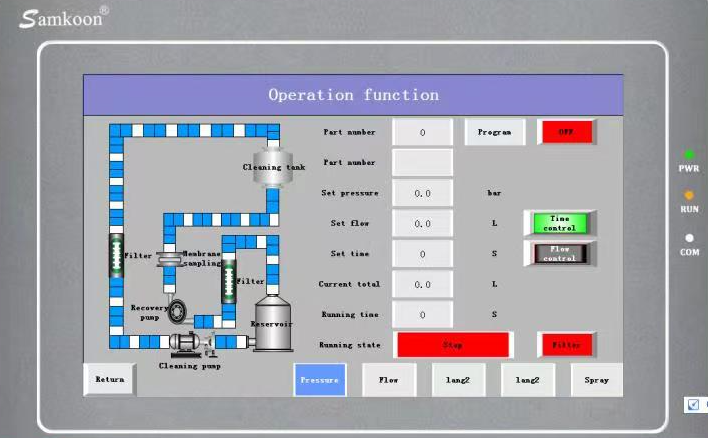
Before starting the extraction process, different parameters must be set based on the specific parts being cleaned and the cleaning method.
Standard Startup Parameters:
Pressure Rinsing: Flow Rate, Time
Ultrasonic: Ultrasonic Frequency, Power Density, Time
Shaking Rinsing: Filling Volume, Amplitude, Frequency, Time
Air Blow: Pressure, Blowing Time
Step 2: Particle Extraction:
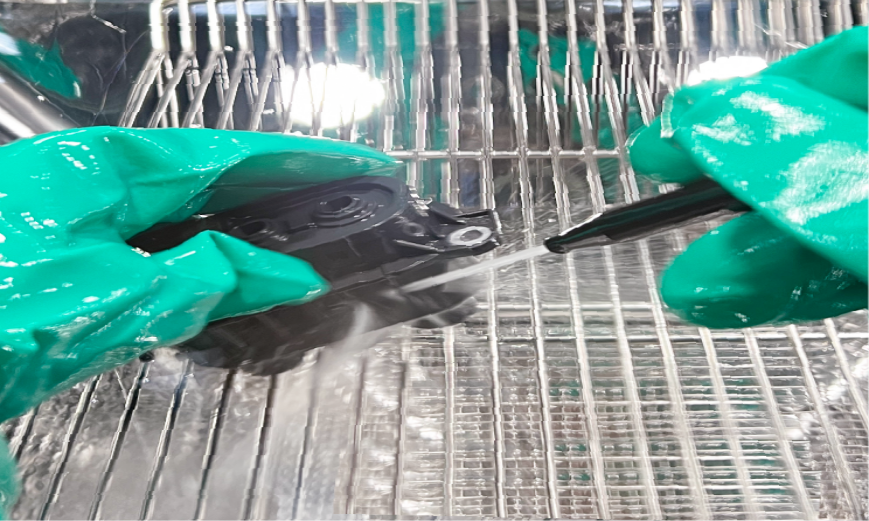
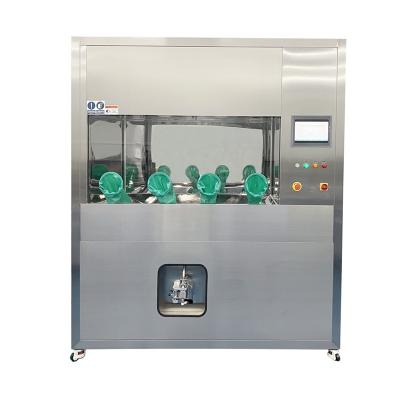
Different extraction methods can be used for different components, including pressure rinsing, internal rinsing, ultrasonic, shaking rinsing, and air blowing. During extraction, workers must wear the instrument's included rubber protective gloves and use different nozzle types according to pre-set parameters to thoroughly clean the parts manually. The ergonomic design allows workers to better clean components, ensuring that no contaminants remain in any corners.
Step 3: Particles Collection:
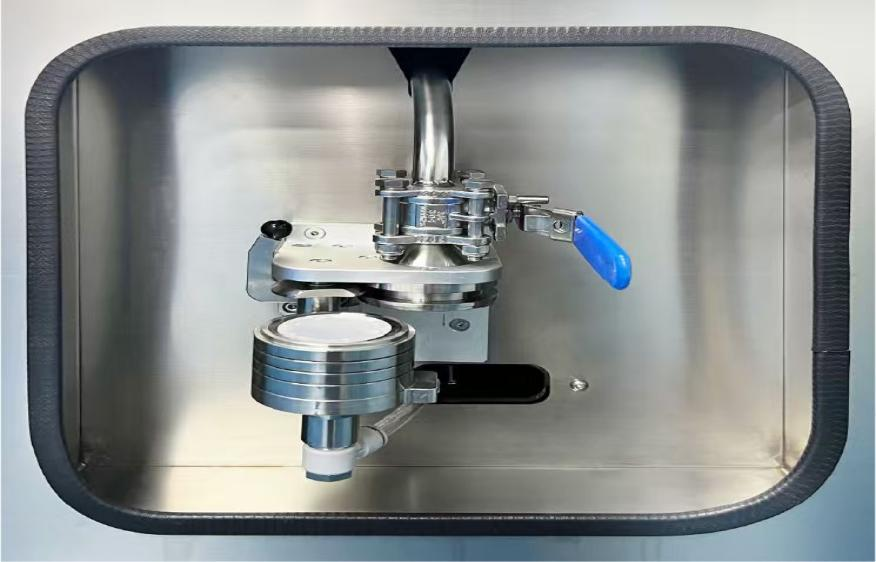
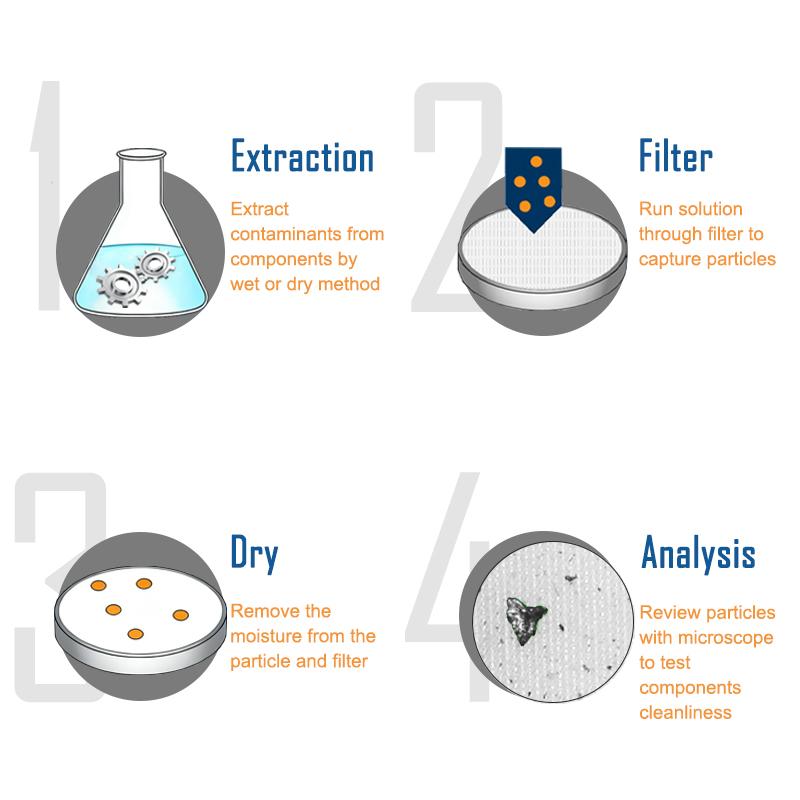
After the extraction is completed, the particles will flow through the three-stage filter membrane together with the cleaning agent to separate the liquid and the particulate matter, thereby achieving the purpose of particle collection.
Step 4: Membrane Drying:
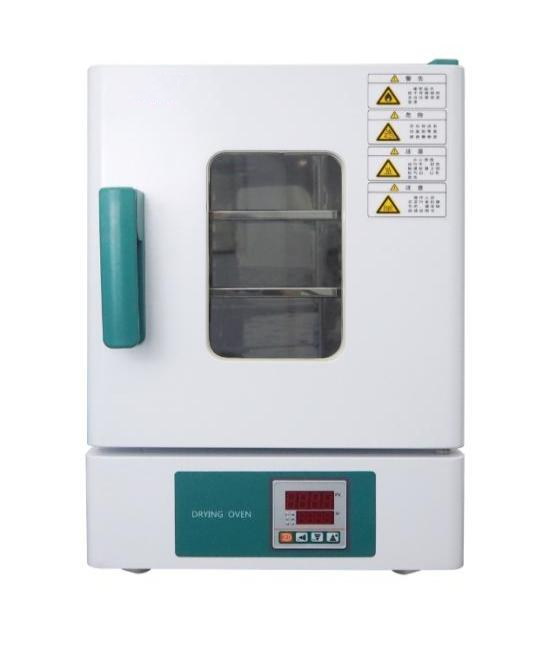
Place the filter membrane in a glass baking container and place them together in a professional drying cabinet to accurately remove moisture from the filter membrane and trapped pollutants, ensuring accurate data during subsequent weighing or analysis and avoiding moisture interference with test results.
Step 5: Membrane Cooling:
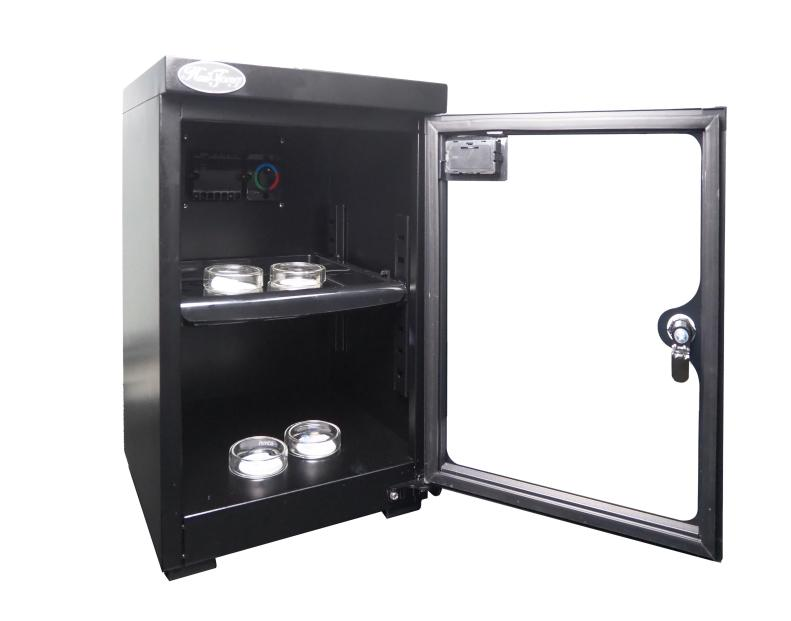
After drying the membrane, the glass baking container containing the membrane needs to be placed in a professional cooling cabinet to cool the membrane to room temperature in a constant, clean environment to avoid interference from environmental factors and ensure the accuracy of subsequent weighing or analysis.
Step 6: Gravimetric analysis:
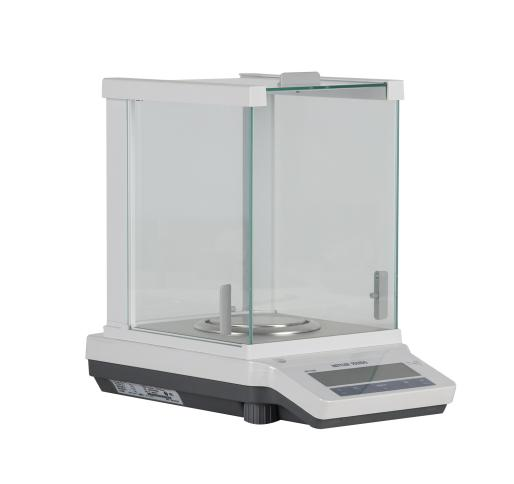
After the filter membrane is completely dried and cooled, it is placed on a professional analytical balance for weighing. The difference in weight before and after the filter membrane intercepts pollutants can be accurately measured, thereby quantitatively determining the total amount of pollutants in the sample.
Step 7: Particle Analysis:
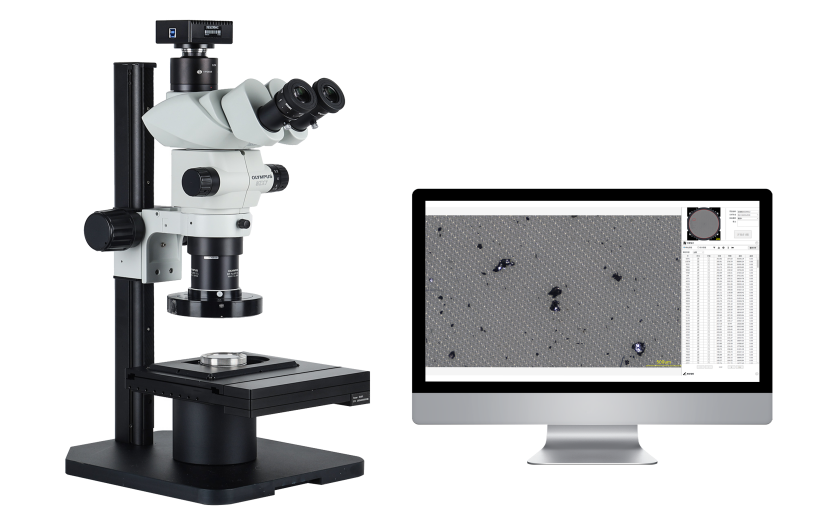
Place the dried and cooled filter membrane in the filter membrane fixing fixture, use a microscope to perform analysis and scanning, automatically identify metal particles, non-metal particles, and fibers, and generate a cleanliness test report with one click.
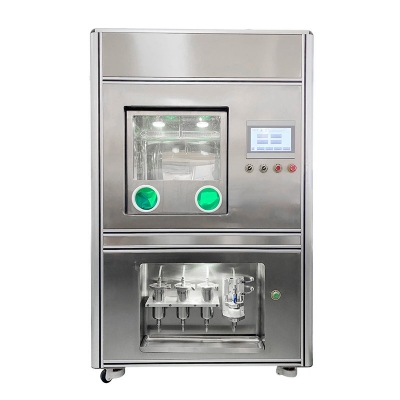
Reliable Component Cleanliness Extraction Equipment
Ease of operation
Controlled extraction environment (laminar flow cabinet)
Programmable setting capabilities
Less human errors involved
No risk from environmental cross contamination
Reduced risk of operator contamination
Fit your available space and size of components
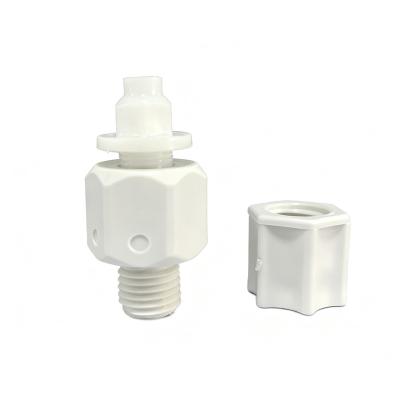
Powerful cleaning power
More efficient dirt removal
Wide application range
Suitable for a wide range of technical cleanliness products
Compliant with ISO 16232/VDA 19 technical cleanliness standards
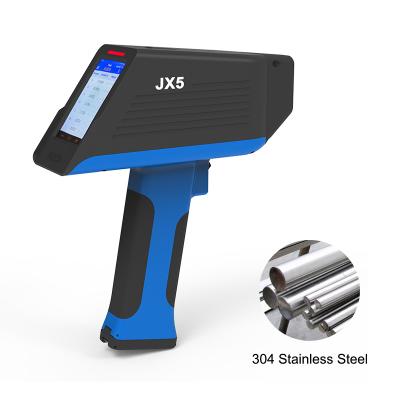
High-Performance Analyzers for Precise Material Testing
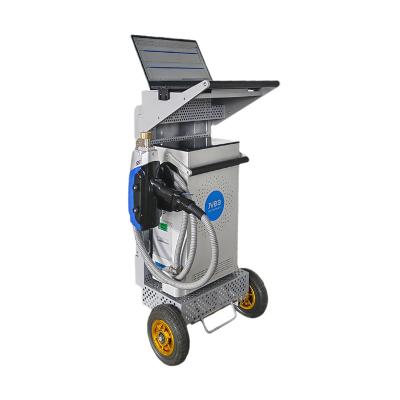
The fastest handheld XRF analyzer.
Ultimate on-site metal detection capability
Grade identification in 1 second for any metal.
Full chemistry testing in 3-5 seconds for stainless steel and other alloys.
Full chemistry testing in 7-8 seconds for aluminium alloy.
Everywhere data & documentation.
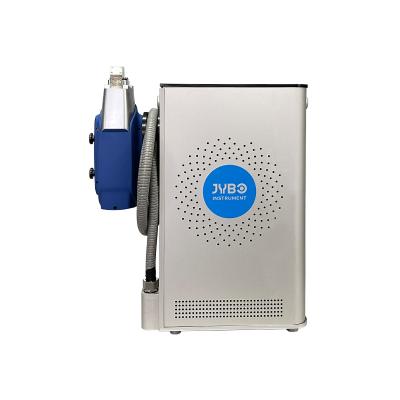
Flexible, reliable and safety on-site analysis
Anytime, anywhere, on-site inspection
Positive Material Identification (PMI)
Light-weight to be about 20Kg
High accuracy and stability
Suitable for analysis task in different conditions
Compact rugged and with high-performance optics
Intelligent, multi-modal mobile design
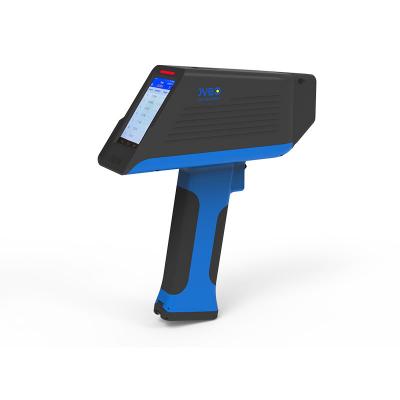
The fastest handheld XRF analyzer.
Grade identification in 1 second for any metal.
Full chemistry testing in 3-5 seconds for stainless steel and other alloys.
Full chemistry testing in 7-8 seconds for aluminium alloy.
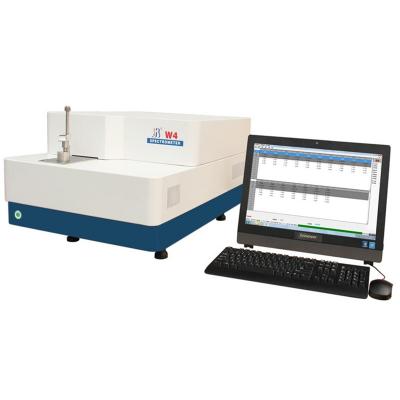
High resolution CMOS readout system
Low total cost of ownership
Vacuum optics enabling fast stabilization
Excellent long-term stability
Intelligent design, Modular design
Ferrous and non-ferrous applications
Easy to use with full PC control
Friendly user interface
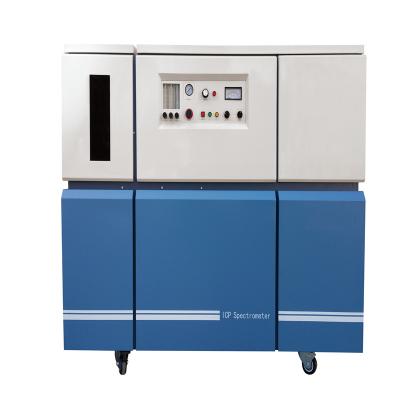
Simultaneous ICP-OES for elemental analysis of liquids
Wavelength range:195-800nm
For 70 trace elements and macroelements
Analyze up to 600 samples per day
Low operating costs
Intuitive operation
Ultra-low limits of detection
Ultra-high speed of measurement
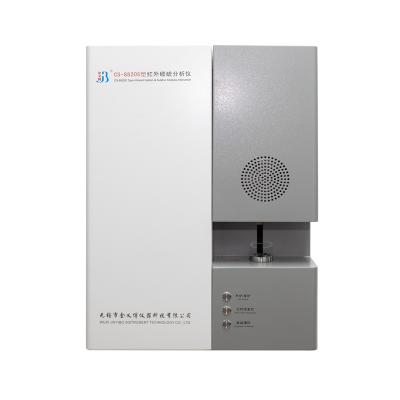
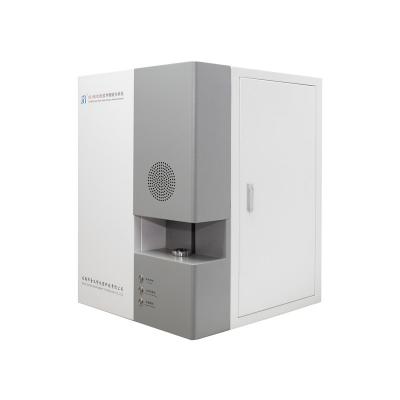
The Newest 2 in 1 Carbon& Sulfur Analysis Instrument
Carbon: 0.0001%~99.9999%
Sulfur: 0.0001%~99.9999%
High availability, low cost
Long service life, high stability
Unique analysis of gas removal device
Full scale linear calibration
Constant temperature of high-temperature furnace
Carbon monoxide conversion
Weak signal detection technology
Key Applications: Mainly used in steel, iron, alloy, casting core sand, nonferrous metals

© Copyright © 2026 Wuxi Jinyibo Instrument Technology Co.,Ltd All Rights Reserved.
Sitemap | Xml | Privacy Policy | 苏ICP备18046951号-1