Applications of Carbon and Sulfur Analyzers
In the processing of ferrous metals, non-ferrous metals, powder metallurgy, and mineral resources, carbon content directly determines the strength, hardness, plasticity, and weldability of materials. Sulfur, as a typical harmful element, easily causes defects such as hot brittleness, cracking, and decreased corrosion resistance, seriously affecting product qualification rates and service life. Traditional carbon-sulfur detection methods, such as gravimetric, volumetric, and titration methods, are cumbersome, time-consuming, and prone to human error, making them difficult to meet the demands of modern production for high-speed, accurate, and batch testing.
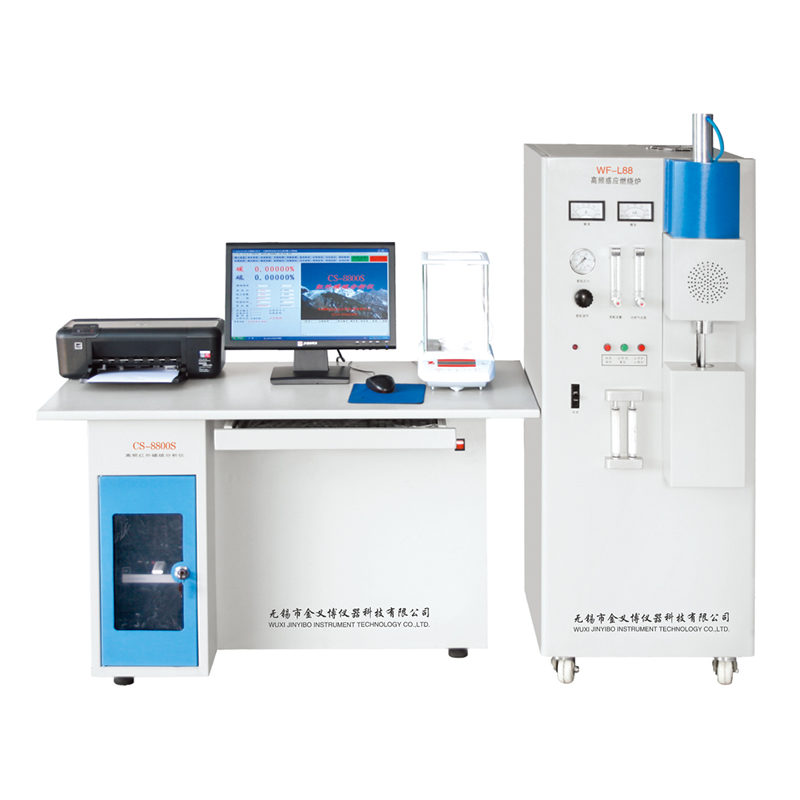
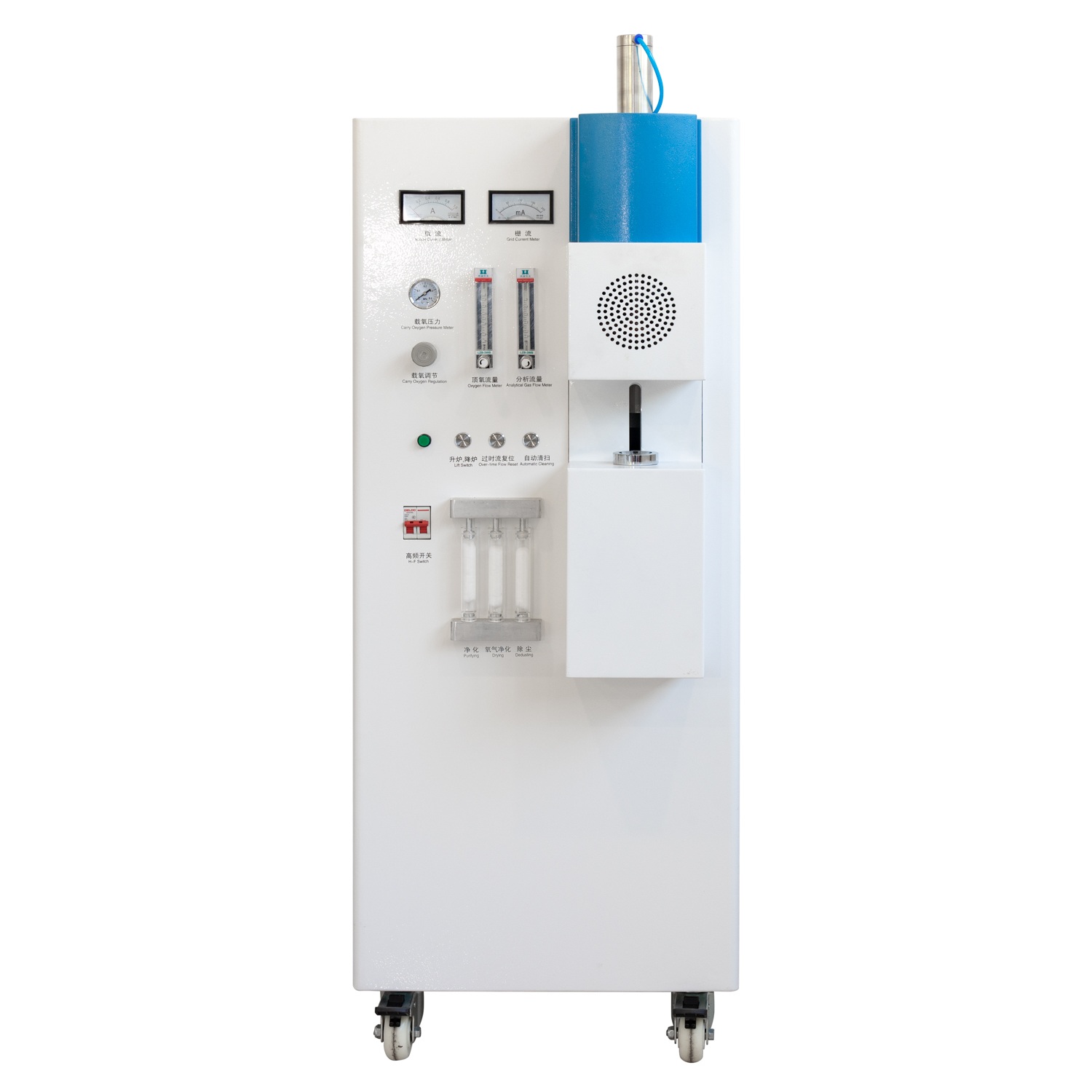
High-frequency infrared carbon-sulfur analyzers, based on the principle of infrared absorption spectroscopy and combined with high-frequency induction combustion technology, can complete fully automated quantitative analysis of carbon and sulfur content in solid samples within minutes. They feature low detection limits, high accuracy, good stability, and wide applicability, and are widely used in incoming raw material inspection, rapid pre-furnace analysis, outgoing product testing, laboratory research, and third-party arbitration testing. They are of great significance for improving product quality, optimizing production processes, and reducing production costs.
I. Key Technical Indicators
1. Detection Range
Carbon: 0.000001%~99.999999%
Sulfur: 0.000001%~99.999999%
The range can be adjusted by changing the sample weight and analysis mode to cover trace, constant, and high-content carbon and sulfur analysis.
2. Analytical Accuracy
- Repeatability Limit (r): Meets the requirements of GB/T 6379 and ISO 13902 standards;
- Reproducibility Limit (R): Suitable for inter-laboratory comparison and arbitration analysis.
3. Sensitivity and Detection Limit
The lowest detection limit can reach ppm level (10⁻⁶), meeting the testing requirements of high-purity materials, special alloys, and precision castings.
4. Analysis Speed
Single sample analysis time is typically 30–60 seconds, suitable for rapid pre-furnace testing and batch sample analysis.
II. Major Industrial Applications
1. Iron and Steel Metallurgy Industry:
Carbon and sulfur analysis in materials such as pig iron, cast iron, carbon steel, stainless steel, alloy steel, bearing steel, and tool steel is crucial for adjusting furnace composition, controlling rolling processes, and determining product grades, ensuring the strength, toughness, and weldability of steel.
2. Non-ferrous Metals Industry:
Detection of carbon and sulfur impurities in metals and alloys such as copper, aluminum, magnesium, titanium, nickel, and zinc to prevent impurities from affecting electrical conductivity, thermal conductivity, corrosion resistance, and processability.
3. Hard Alloy and Powder Metallurgy:
Analysis of samples such as tungsten steel, cobalt alloys, tungsten carbide, ceramic materials, and metal powders. Carbon content directly affects sintering quality, hardness, wear resistance, and service life, while sulfur content affects product brittleness and defect rate.
4. Ore and Raw Material Testing:
Analysis of carbon and sulfur content in raw materials such as iron ore, manganese ore, chromium ore, coke, coal, limestone, and fluxes provides data support for smelting batching, cost accounting, and incoming inspection. 5. Mechanical Manufacturing and Quality Control: Incoming material inspection, process control, and outgoing inspection of finished and semi-finished products such as castings, forgings, pipes, plates, fasteners, and molds, as well as arbitration analysis by third-party testing institutions.
5. New Materials and Scientific Research:
Trace carbon and sulfur analysis of new materials such as new energy materials, catalysts, rare earth materials, silicon materials, carbon materials, and special ceramics, and supports new material research and development and performance optimization.
The high-frequency infrared carbon and sulfur analyzer integrates high-frequency combustion, infrared detection, automatic control, and data processing, achieving rapid, accurate, and automated detection of carbon and sulfur elements, fully meeting the needs of modern industrial production, quality control, and scientific research. Its application spans the entire chain from raw materials and production processes to finished product delivery, playing an irreplaceable role in improving material performance, stabilizing production processes, and reducing scrap rates.
Please contact us for further inquiries or detailed information!
Tel:+86-183-5283 6805
Email:sales@jinyibo.com