Applications of Spectrometers in the Foundry Industry
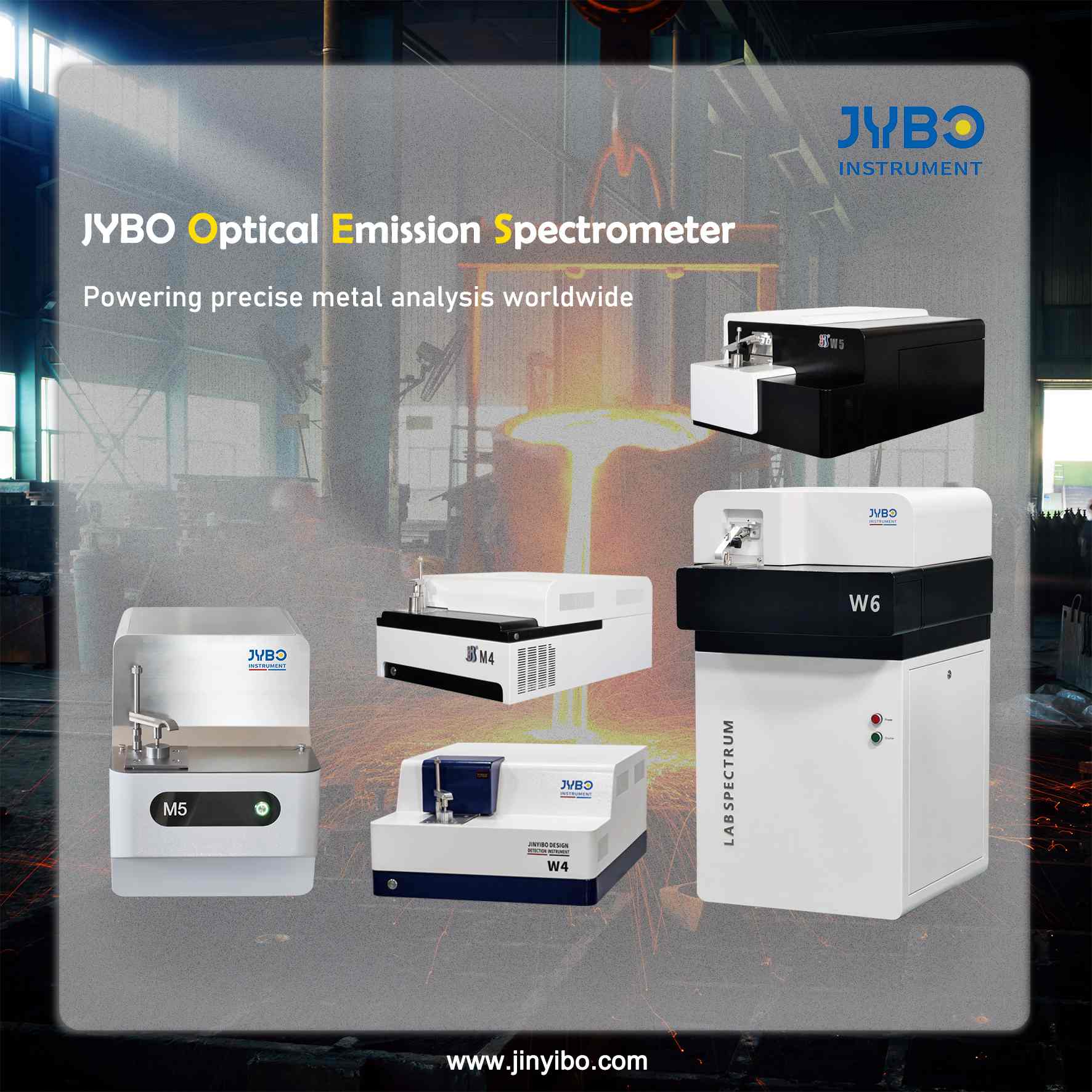
Spectrometers are core tools for quality control throughout the entire foundry process. Full spectrum direct-reading optical emission spectrometers (OES) are the primary tool, supplemented by handheld XRF, covering all stages from pre-furnace to post-furnace, incoming materials, finished products, and scrap steel.
I. Core Application Scenarios (by Process)
1. Pre-furnace Rapid Analysis (Most Core)
- Purpose:
To monitor the composition of molten iron/steel/aluminum in real time, adjust alloy ratios immediately, and prevent scrap due to unqualified composition.
- Equipment:
Full spectrum direct-reading metal analyzer - spark OES, results in 3–30 seconds, simultaneously measuring 20–30 elements including C, Si, Mn, P, S, Cr, Ni, Mo, Mg, RE, etc.
- Key Values:
Controlling the C/Si ratio (determines the strength of gray cast iron/ductile iron).
Precisely controlling the spheroidizing agent (Mg/RE) content to ensure spheroidization rate.
Avoiding "qualified composition, but molten steel already cooled," matching the casting window.
Scrap rate can be reduced from 3%–5% to 0.5%–1%.
2. Raw Material/Scrap Steel Sorting
- Purpose:
Rapidly verify the composition and grade of incoming metal ingots, scrap steel, and remelted materials, rejecting substandard materials.
- Equipment:
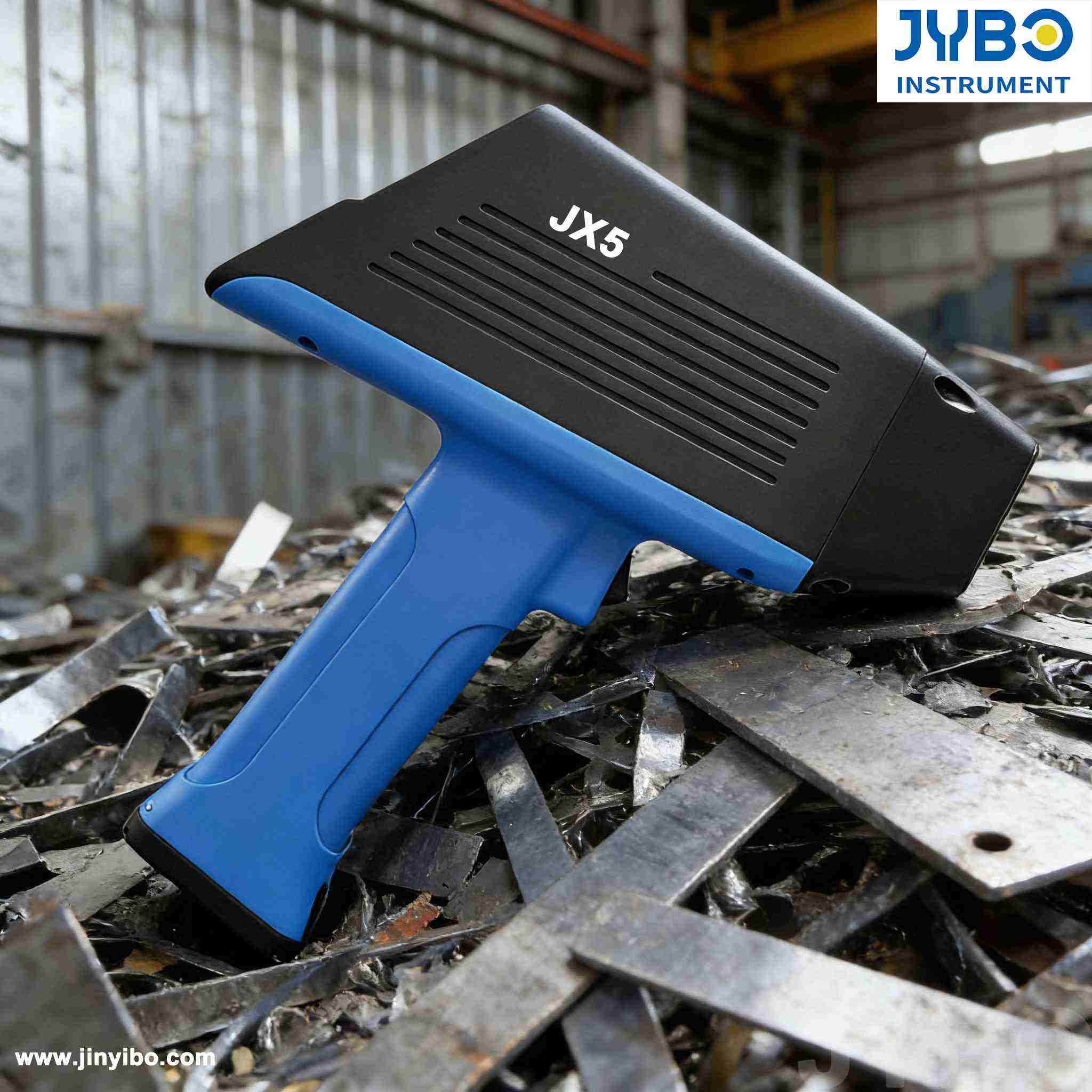
Handheld X-Ray Fluorescence Spectrometer (portable, for on-site use) or Desktop Laboratory OES Spectrometer.
- Applications:
Scrap steel classification (carbon steel/stainless steel/alloy steel).
Predicting the composition of remelted materials to guide batching.
Preventing mixing that leads to excessive composition.
3. Post-Furnace/Finished Product Inspection
- Purpose:
Re-inspect the composition of castings before they leave the factory to ensure compliance with GB, ASTM, ISO, and other standards.
- Applications:
Full element verification of cast steel/cast iron/aluminum alloy castings;
Piece-by-piece sampling inspection of key components (cylinder block, wheel hub, gears); Issuing quality reports to meet customer and certification requirements.
4. Process Optimization and R&D
- Purpose:
To optimize smelting processes and develop new materials through big data analysis of composition.
- Applications:
Statistical analysis of C, Si, and Mn fluctuations to stabilize furnace conditions
Studying the impact of trace elements (e.g., B, Ti, V) on performance
Design and verification of new alloy compositions
II. Comparison of Commonly Used Equipment (Casting Foundry Scenarios)
1. Benchtop Vacuum/Argon-filled Direct-Reading Spectrometer
- Advantages:
Extremely fast speed
High accuracy
Measuring light elements such as C/S/P/N, simultaneous multi-element analysis
- Suitable for:
Furnace preparation, laboratory, full inspection of finished products
- Disadvantages:
Large size
High price
High environmental requirements
2. Handheld XRF Spectrometer
- Advantages:
Small size and light weight
On-site measurement
Simple operation
- Suitable for:
Incoming material/scrap steel sorting, rapid screening of finished products
- Disadvantages:
Inaccurate measurement of light elements such as C/S/P, slightly lower accuracy
Please contact us for further inquiries or detailed information!
Tel:+86-183-5283 6805
Email:sales@jinyibo.com