Why is LIBS technology the preferred choice for portable elemental analyzers?
In on-site elemental testing scenarios, portable elemental analyzers have long been a necessity. Whether it's industrial quality inspection, mineral exploration, lithium battery R&D, or cultural relic restoration, a "lightweight, fast, accurate, and safe" device is needed to perform element identification anytime, anywhere. However, many people wonder: there are more than one elemental analysis technology on the market, so why do most portable devices choose LIBS (Laser-Induced Breakdown Spectroscopy) technology?
First, let's clarify a common misconception: portable elemental analyzers are not limited to LIBS. However, given the core requirements of being truly handheld, radiation-free, requiring no complex approvals, capable of measuring light elements, and adaptable to rough samples in the field, LIBS is currently the best and most irreplaceable solution.
-
-
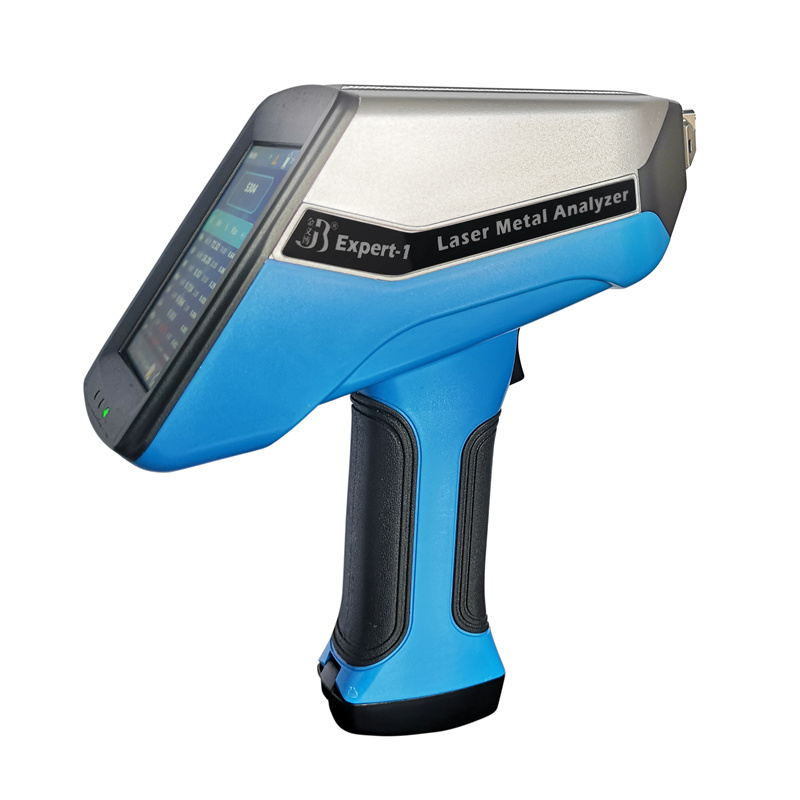
LIBS Analyzer
Reliable, high-productivity metal grade analysis in only 1 second for most alloys
-
What are the differences between the three mainstream portable elemental analysis technologies?
Currently, there are three main technologies on the market that enable portable elemental analysis: LIBS (Laser-Induced Breakdown Spectroscopy), XRF (X-ray Fluorescence), and portable spark OES (Optical Sequencing Spectroscopy). These three technologies differ in their principles, portability, and applicable scenarios.
LIBS (Laser-Induced Breakdown Spectroscopy): The "All-Round Player" in the Portable World.
Simply put, its principle is as follows: A pulsed laser beam is focused onto the sample surface, instantly ablating a micrometer-sized dot, generating high-temperature plasma. As the plasma cools, it emits "characteristic spectra" of different elements. Analysis using a spectrometer allows for rapid identification of the element types and concentrations.
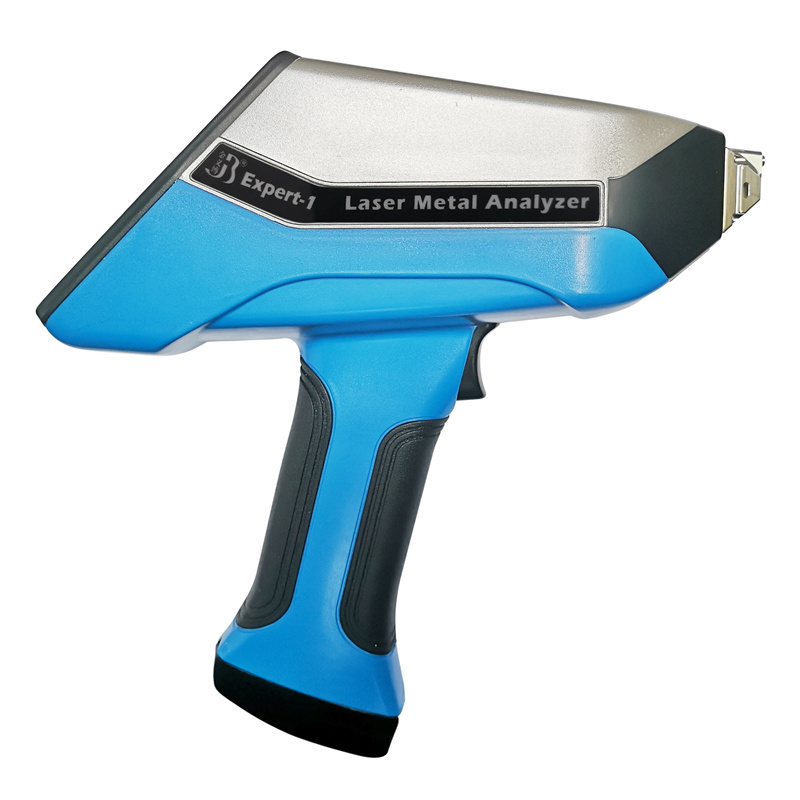
Its core advantages perfectly align with the core requirement of "portability":
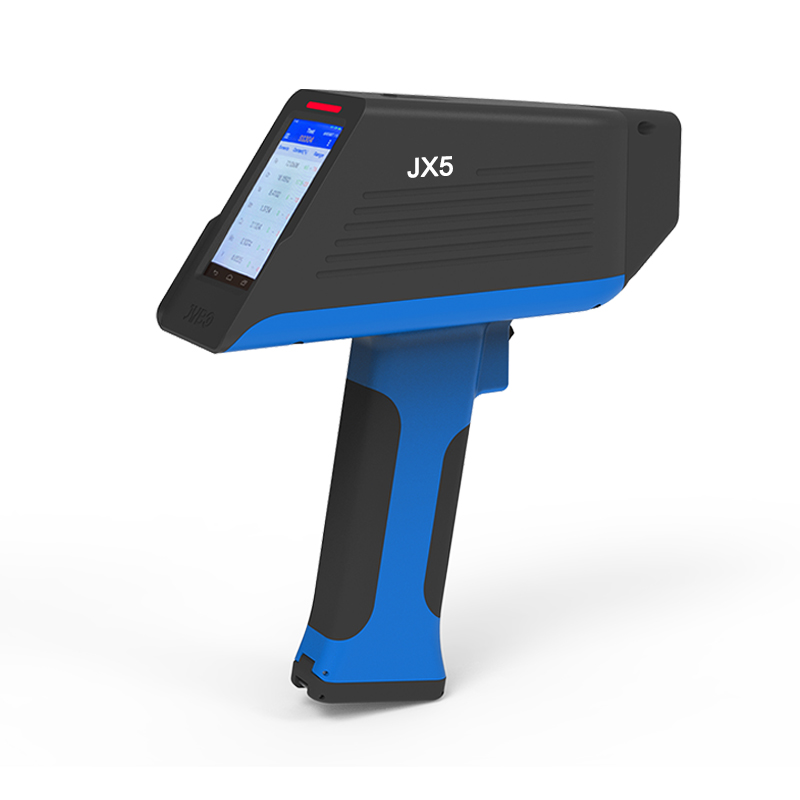
Controllable size and weight: The miniaturized nanosecond laser and micro-spectrometer result in a total weight typically between 1.2 and 1.5 kg, allowing for extended handheld use, truly realizing "carry it with you, measure it anytime";
Safe and accessible:No high-voltage power supply or radioactive radiation source is required. No registration or professional training is needed. It can be freely carried and used in airplanes, hospitals, laboratories, and mines;
Highly adaptable to different environments: Almost no sample preparation is required—samples with oxide scale, rough surfaces, coatings, even welds and small parts can be directly tested without grinding or cleaning;
Fast testing speed: Results are available in 1-2 seconds, eliminating waiting time and making it suitable for batch testing on-site;
Outstanding light element detection capability: It can stably detect light elements such as C, Li, Be, B, Mg, and Al, which are essential elements in many scenarios (e.g., Li measurement in lithium batteries, C measurement in carbon steel).
Of course, it also has minor limitations: it leaves a micrometer-sized spot on the sample surface (micro-destructive), its accuracy is slightly lower than high-end XRF and benchtop OES, and its detection limit for heavy elements is not as good as XRF. However, these limitations are almost negligible in "portable on-site detection" scenarios.
XRF (X-ray fluorescence): A "specialist" in heavy element detection, but lacking in portability.
Its principle is simpler than LIBS: the sample is excited using an X-ray tube or radiation source, and the sample emits characteristic X-ray fluorescence. By analyzing the fluorescence energy, elements are identified. Its advantages are obvious, but its portability is also a significant drawback.
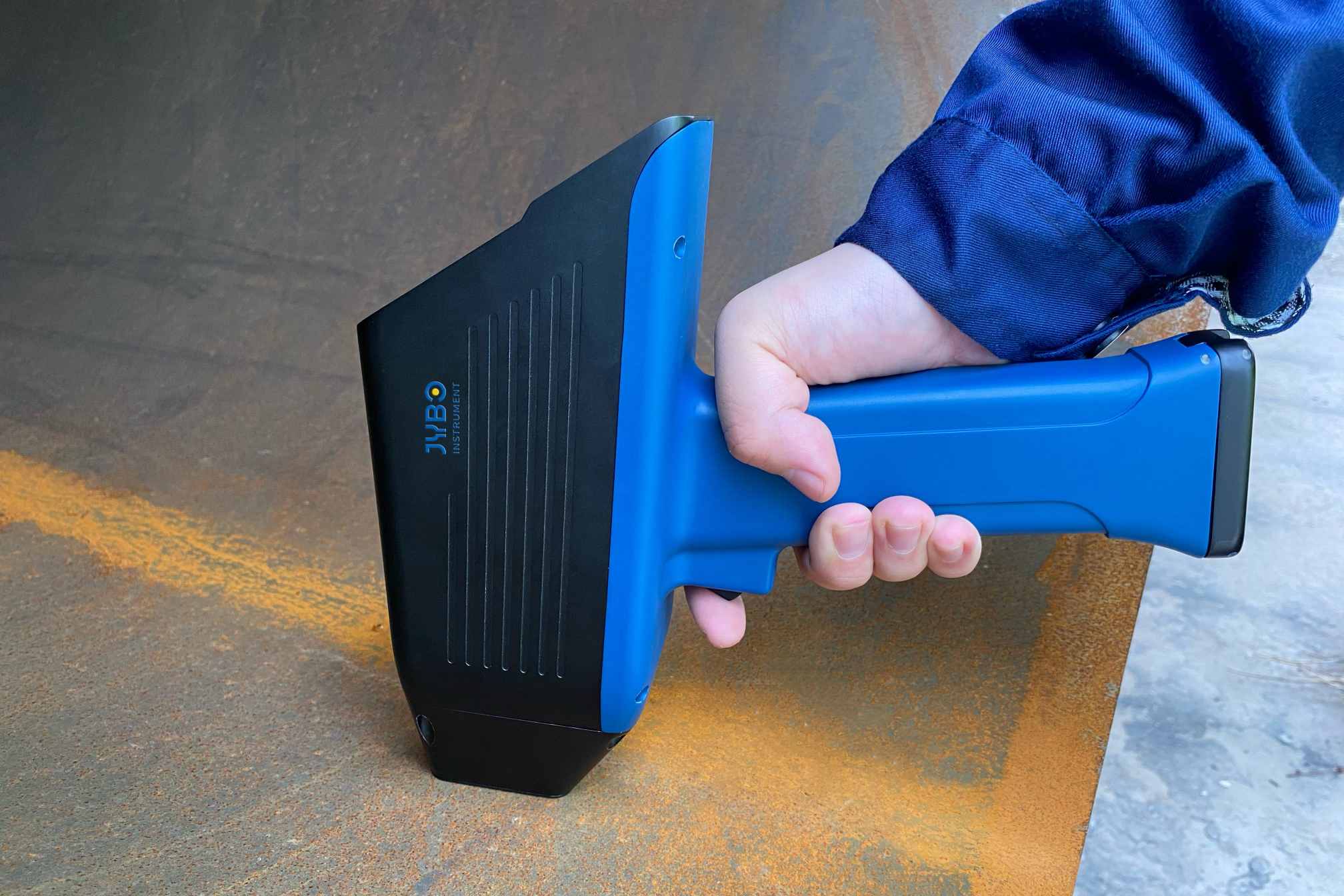
Advantages: Completely non-destructive testing; high accuracy and stability for heavy elements such as Fe, Ni, Cr, Cu, Zn, and Pb; suitable for scenarios requiring sample integrity (such as artifact detection).
Challenges to Portability:
Large Size and Weight: The X-ray tube, radiation source, and high-voltage power supply typically weigh over 1.6–2.0 kg, causing hand fatigue over extended periods and detracting from its "truly lightweight" appeal.
Radiation Safety Risks: As a radioactive device, it requires registration, professional training, and relevant approvals, and is prohibited in many sensitive locations (hospitals, laboratories, nuclear power plant sites).
Light Element Blind Spot: It can barely measure light elements such as C, N, O, Li, Be, and B, failing to meet the requirements of lithium batteries and carbon steel applications.
High Sample Requirements: Oil, oxide layers, and coatings on the sample surface can severely interfere with test results, necessitating prior cleaning and polishing.
Portable Spark OES: A High-Precision Powerhouse, But Far From "Portable"
Similar in principle to LIBS, it generates characteristic spectra by exciting the sample, but it requires electric spark/arc excitation and argon purging to ensure detection accuracy.
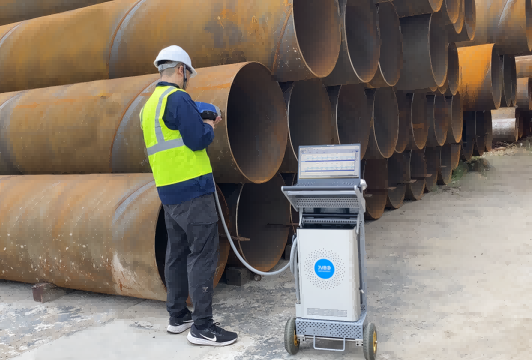
Advantages: Extremely high detection accuracy, capable of measuring elements such as C, S, and P. It is the standard testing method in the industrial metallurgy field, suitable for scenarios with extremely high accuracy requirements (such as steel composition testing).
Portability Challenges: Truly portable is almost impossible—it requires carrying argon cylinders, tubing, and valves; the entire machine typically weighs 10-15 kg, meaning it can only be used in a vehicle or fixed location, not by hand; moreover, it requires high-voltage discharge, posing safety risks, and the sample must be flat, clean, and conductive, making sample preparation difficult.
Why is LIBS the most popular choice for portable devices?
After comparing the three technologies, the answer is clear—LIBS is not perfect, but it best balances "portability, safety, field adaptability, and core testing needs," especially in the following four essential scenarios where there are almost no alternatives.
1. The truly "one-handed, burden-free" requirement can only be met by LIBS. The core requirement of portable devices is "ease of use and testing anytime, anywhere." XRF is heavy, and spark OES is bulky and requires a gas cylinder. Only LIBS can achieve a weight of around 1.2kg, without gas cylinders or high pressure, allowing for extended one-handed operation. Whether climbing mines, inspecting production lines, or conducting outdoor exploration, it won't be a burden.
2. Essential for On-Site Testing: Only LIBS Can Stably Measure Light Elements (C, Li, Al, etc.)
Many on-site testing scenarios rely on light element detection: carbon steel and stainless steel require C testing (to determine material grade), aluminum alloys require Al and Mg testing, and lithium battery materials require Li testing. XRF cannot meet these requirements. LIBS is currently the only technology that can stably detect these light elements on a handheld device, making it the core competitive advantage for portability.
3. Safety and Compliance: LIBS Has No Barriers to Entry
Whether for enterprise use or cross-scenario portability, safety and compliance are paramount. LIBS is non-radioactive, poses no high-pressure hazard, requires no registration or training, and can be freely carried and used globally. XRF, on the other hand, is regulated by radiation regulations, and spark OES carries high-pressure and spark risks, making it unsuitable for many scenarios and creating a very high barrier to entry.
4. Complex on-site environments make LIBS more adaptable.
On-site samples are mostly in their "raw" state—with oxide scale, rough surfaces, weld seams, and even small parts and coatings—making precise sample preparation impossible as in a laboratory setting. LIBS requires almost no sample preparation and can be used directly for detection; while XRF and spark OES have extremely high requirements for sample surface quality, which is difficult to meet on-site, and the test results are prone to distortion.
Selection Summary: Which technology should you choose for different scenarios?
If you only need to measure heavy metals, don't care about radiation, and don't need to detect light elements (e.g., environmental heavy metal detection)—choose Handheld XRF Analyzer;
If you need high precision, need to measure C, S, and P, don't care about weight, and can carry argon gas (e.g., on-site quality inspection in a laboratory)—choose Portable Spark OES;
If you need handheld portability, no radiation, need to measure all elements (including C/Li/Al), and rapid on-site detection (e.g., in mines, lithium batteries, production lines)—choose LIBS Analyzer, you can't go wrong.
In fact, the reason why LIBS has become the "mainstream choice" for portable elemental analyzers is that it precisely addresses the core pain points of "on-site testing"—portability, safety, speed, and adaptability to complex samples. With technological upgrades, the accuracy of LIBS is constantly improving, and it will only become the preferred choice for more portable testing scenarios in the future.
Please contact us for further inquiries or detailed information!
Tel:+86-183-5283 6805
Email:sales@jinyibo.com