I. Applicable Scenarios:
In high-strength low-alloy steel and stainless steel, adding nitrogen can improve strength, corrosion resistance, and wear resistance; some heat-resistant alloys and mold steels also have their performance optimized by controlling nitrogen levels. In non-ferrous metal alloys, such as aluminum and magnesium alloys, trace amounts of nitrogen can refine the grain structure; in titanium alloys, nitrogen, as an alloying element, can improve high-temperature mechanical properties.
The main industries involved include: iron and steel metallurgy, non-ferrous metal processing, aerospace and military industries, machinery manufacturing and mold manufacturing, and nuclear power and energy industries.

II. Differences between Spectrometer Detection of Nitrogen and that of Conventional Elements:
The core differences between spectrometer detection of nitrogen and that of conventional metallic/non-metallic elements such as iron, copper, and silicon lie in three dimensions: compatibility of detection principles, sample pretreatment requirements, and anti-interference capabilities. Specific points are as follows:
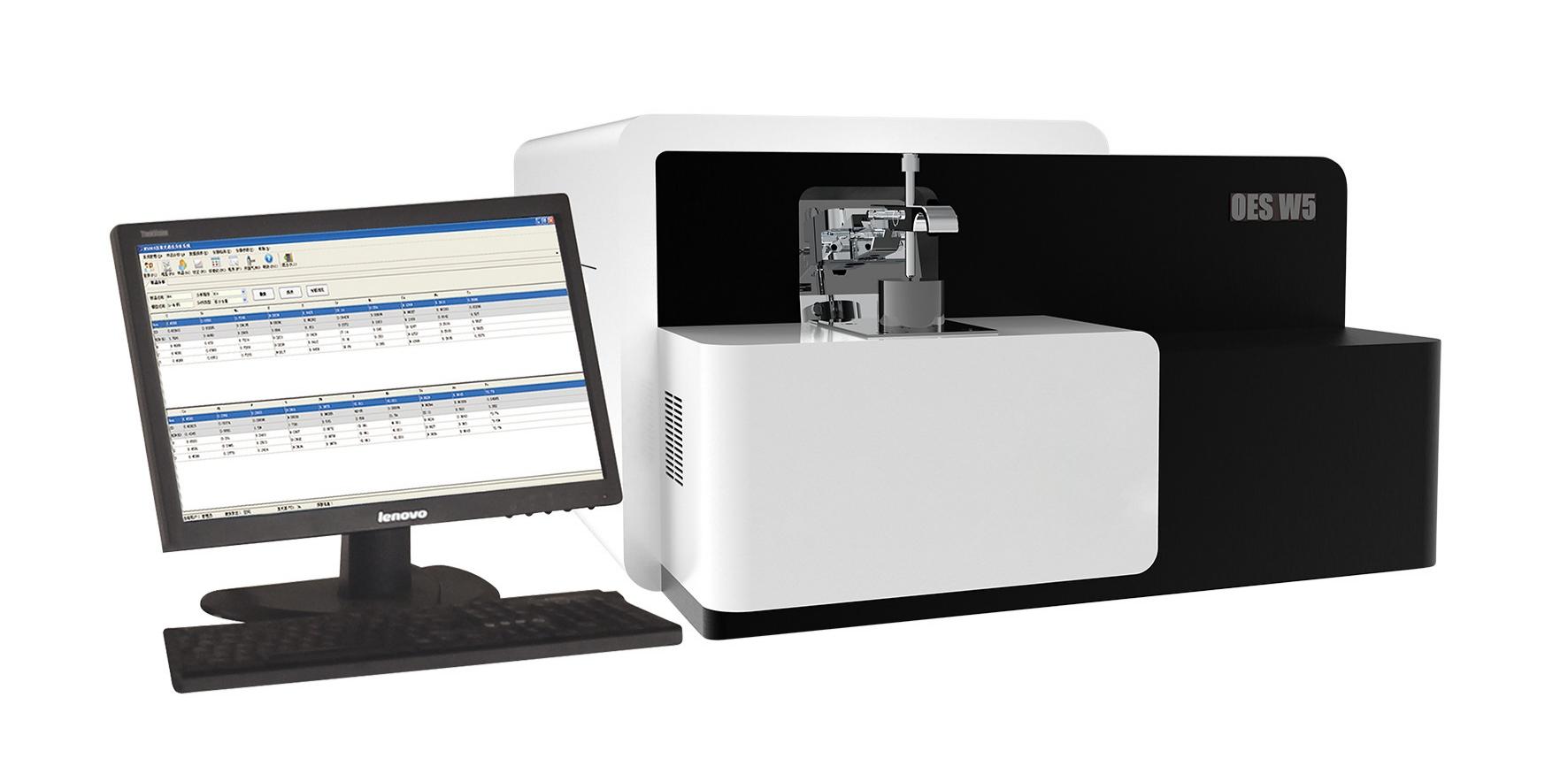
1. Differences in Principle Compatibility:
When detecting metallic elements such as iron and copper, Spark OES and XRF can accurately quantify them through characteristic spectral lines with stable intensity. However, nitrogen has a low atomic number and a high excitation potential, making XRF ineffective for detection. Spark OES also requires specific high-energy excitation conditions, and its spectral lines are easily interfered with by an argon atmosphere.
The ONH analyzer is a dedicated device for nitrogen detection, relying on inert gas melting and thermal conductivity detection, which is completely different from the "optical detection" principle of conventional spectrometers.
2. More stringent requirements for sample pretreatment and detection environment: Conventional element detection only requires a smooth, oil-free sample surface; nitrogen is easily adsorbed on the sample surface or escapes at high temperatures, requiring rapid polishing to remove the oxide layer before detection, and excitation must be completed under inert gas protection to avoid contact with air, which would result in lower values.
3. Differences in anti-interference ability and detection limit:
Conventional metal element detection is less affected by matrix effects and generally has a low detection limit; nitrogen detection is easily interfered with by gaseous elements such as hydrogen and oxygen, and the detection limit of Spark OES for nitrogen is much higher than that of the ONH analyzer. Low-content nitrogen samples require the latter for accurate quantification.
III: Nitrogen Element Detection Instrument - Oxygen, Nitrogen, and Hydrogen Detector
1. Principle:
The core of the Oxygen, Nitrogen, and Hydrogen analyzer adopts the inert gas melting-infrared/thermal conductivity detection method. The gas is first melted at high temperature to release it, then purified and separated before being quantified using a dedicated detector.
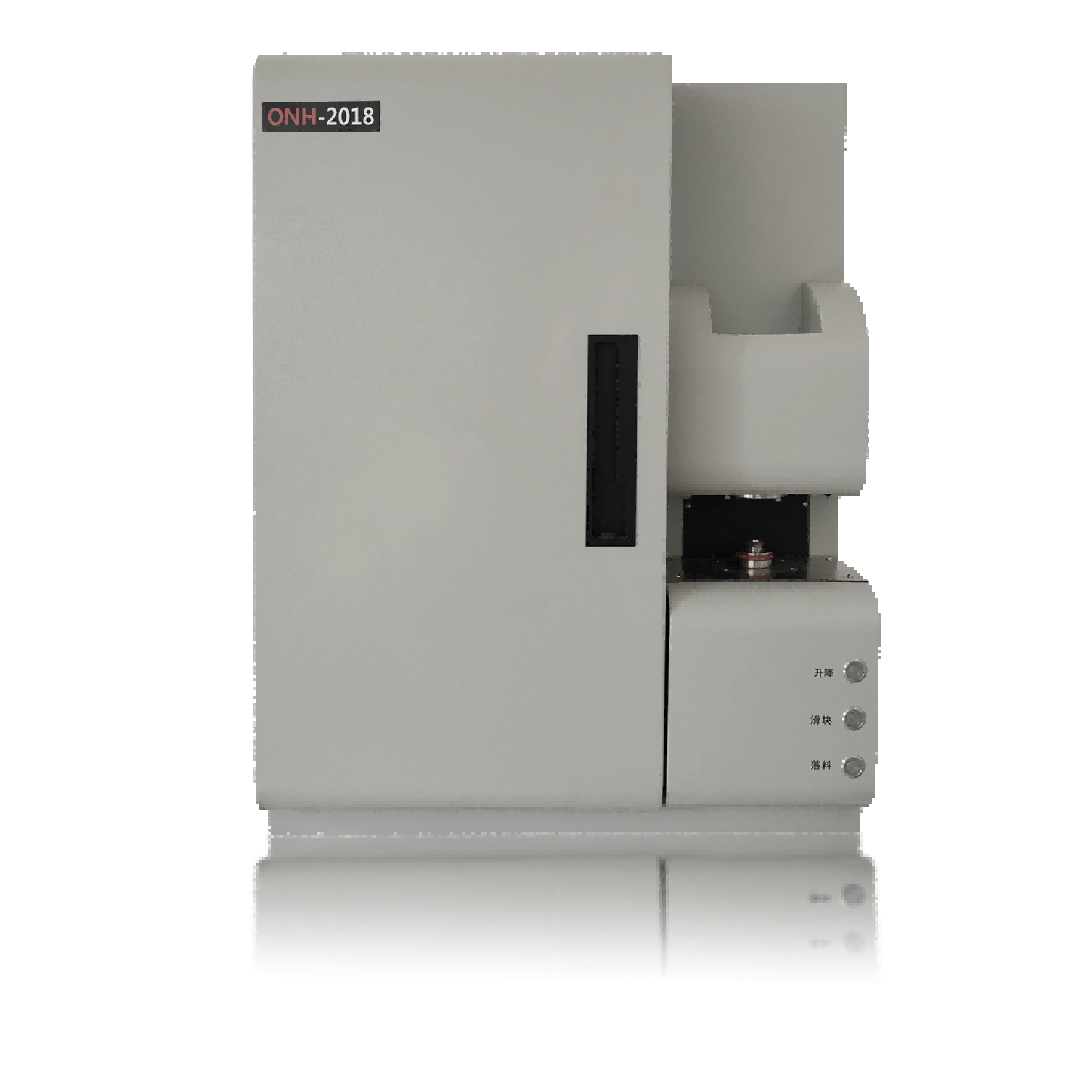
Core process:
(1). Melting and release;
(2). Purification and conversion;
(3). Separation;
(4). Detection and quantification.
2. Advantages of Oxygen, Nitrogen, and Hydrogen Detector
The core advantages of the oxygen, nitrogen, and hydrogen analyzer for nitrogen detection lie in its high sensitivity, high accuracy, simultaneous detection of multiple elements, and adaptability to trace nitrogen analysis of various metals/inorganic materials, specifically as follows:
(1) Extremely low detection limit;
(2) High simultaneous detection efficiency;
(3) Strong anti-interference ability;
(4) Wide sample applicability.
Please contact us for further inquiries or detailed information!
Tel:+86-183-5283 6805
Email:sales@jinyibo.com