Can a High-Frequency Infrared Carbon-Sulfur Analyzer Measure Fixed Carbon in Coke Powder?
Principles and Practical Guide
In the production, trade, and practical application of coke powder, the fixed carbon content is a key indicator for judging the quality and combustion efficiency of coke powder. Many laboratories and companies have a question when selecting testing equipment: Can the commonly used high-frequency infrared carbon-sulfur analyzer directly measure the percentage of fixed carbon in coke powder? Today, we'll explain this from three aspects: detection principles, implementation standards, and practical techniques, avoiding common pitfalls and making testing easier and more accurate.
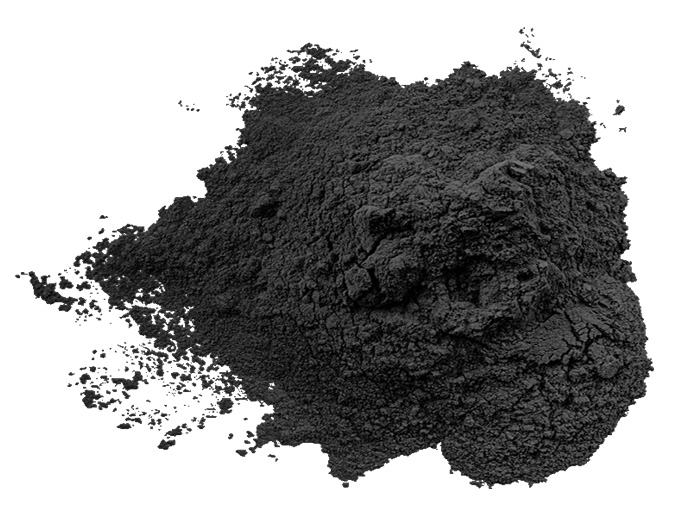
I. Core Conclusion: High-Frequency Infrared Carbon-Sulfur Analyzers Cannot Directly Measure Fixed Carbon in Coke Powder
While a high-frequency infrared carbon-sulfur analyzer cannot directly measure the fixed carbon content of coke powder, it is definitely a helpful tool for carbon and sulfur detection. The total carbon data it measures is an important basis for subsequent calculations of fixed carbon. Many people confuse "total carbon" and "fixed carbon," ultimately misusing the detection method and misinterpreting the data—a common misconception in the industry.
II. Detection Principle: Distinguishing Between "Total Carbon" and "Fixed Carbon" to Easily Avoid Misconceptions
1. Detection Principle of a High-Frequency Infrared Carbon-Sulfur Analyzer
The working principle of a high-frequency infrared carbon-sulfur analyzer is actually quite simple: "high-temperature combustion + infrared absorption." The coke powder sample is placed in a high-frequency induction furnace and fully combusted in a high-temperature, oxygen-rich environment, causing the carbon in the sample to be converted into carbon dioxide (CO₂) and the sulfur into sulfur dioxide (SO₂). Afterward, the infrared detector detects the absorption intensity of these two gases, and combined with professional formulas, the total carbon and total sulfur content in the sample can be calculated.
This instrument has particularly outstanding advantages: fast detection speed, with a single test taking only a few minutes; high accuracy and simple operation, enabling rapid batch detection of total carbon and total sulfur in coke powder. It is commonly used in daily testing in the metallurgical, coal, and chemical industries.
2. Definition and Detection Logic of Fixed Carbon
The "fixed carbon" in coke powder is a specific indicator used in coal and coke industrial analysis. Simply put, it's the solid carbon content remaining after coke powder has been burned at high temperatures to remove moisture, ash, and volatile matter (excluding inorganic carbon impurities like carbonates; only combustible carbon is counted).
Important: Fixed carbon is not directly measured, but calculated through industrial analysis using a subtraction method. The industry-standard formula is simple:
Fixed Carbon (%) = 100% − Moisture (%) − Ash (%) − Volatile Matter (%)
Therefore, to calculate fixed carbon, you must first measure moisture, ash, and volatile matter. This requires specialized equipment such as muffle furnaces and drying ovens, and must be performed using standard methods. High-frequency infrared carbon-sulfur analyzers cannot directly perform this step.
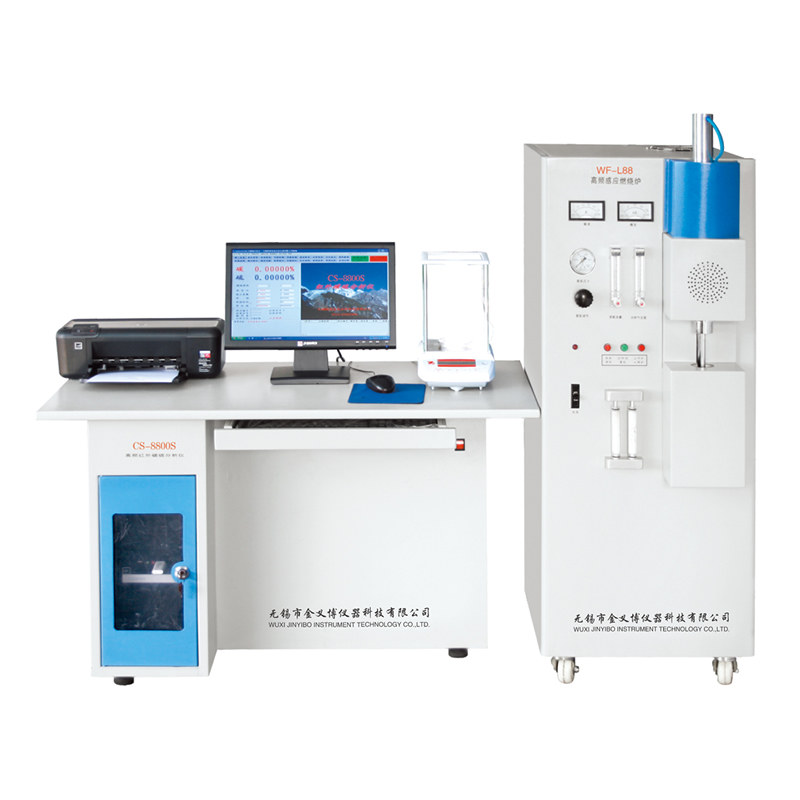
III. Practical Guide: Efficient Testing Solution for Enterprise Laboratories
Based on the daily testing needs of enterprises, the following is an efficient and compliant coke powder testing solution. It ensures both speed and data accuracy, suitable for routine quality control and batch testing scenarios, and easy for beginners to use.
1. Step One: Measure Total Carbon and Total Sulfur using a High-Frequency Infrared Carbon-Sulfur Analyzer: Take an appropriate amount of coke powder sample. Following the instrument's operating procedures, crush, mix, and dry the sample. Then place it in the instrument. The total carbon and total sulfur content can be measured quickly. Record the data; this is convenient for determining whether the sulfur content meets the standards.
2. Step Two: Measure Moisture, Ash, and Volatile Matter according to Industrial Analysis Standards: Measure moisture using a drying oven (dry at 105℃ until the weight remains constant). Measure ash using a muffle furnace (ignite at 815℃ to constant weight) and volatile matter (ignite at 900℃ in the absence of air). Strictly follow the GB/T 2001-2013 standard to ensure accurate data.
3. Third step: Calculate the fixed carbon content: Substitute the measured moisture, ash, and volatile matter data into the previously mentioned difference formula to calculate the fixed carbon content of the coke powder. Finally, complete the test report.
4. A small reminder: For routine coke powder testing, there's no need to specifically exclude the interference of carbonate carbon, as the carbonate carbon content in coke powder is extremely low, and its impact on fixed carbon calculation is almost negligible. For high-precision arbitration testing, you can refer to relevant standards for acid dissolution treatment to remove carbonate carbon before measuring total carbon; the data will be more accurate.
Sample preparation is the most error-prone step. Remember three key points: ① The sample must be dense, without pores or cracks, and tested cold (to avoid nitrogen escape at high temperatures); ② Dry grind/dry cut the surface to thoroughly remove the oxide layer and oil stains, and test within 5 minutes of sample preparation to prevent adsorption of airborne N₂; ③ The test surface must be flat and smooth, in close contact with the sample stage, wiped with anhydrous ethanol and dried to prevent gaps that could lead to uneven discharge.
IV. Summary and Recommendations
In short, the high-frequency infrared carbon-sulfur analyzer is a highly efficient tool for coke powder testing. Its core function is to quickly measure total carbon and total sulfur, providing crucial data for coke powder quality control. However, fixed carbon in coke powder is a "calculated indicator," requiring industrial analytical equipment and standard methods to calculate using a subtraction method; it cannot be directly measured by the high-frequency infrared carbon-sulfur analyzer.
Here are a few suggestions for enterprise laboratories for reference:
If only the sulfur content and total carbon content of coke powder need to be measured, a high-frequency infrared carbon-sulfur analyzer is sufficient, greatly improving testing efficiency.
If fixed carbon content needs to be measured, it is necessary to combine it with industrial analytical equipment such as muffle furnaces and drying ovens, and strictly follow national standards to ensure data compliance.
Testing personnel must clearly distinguish between "total carbon" and "fixed carbon" to avoid using incorrect testing methods and causing data deviations.
By properly combining testing equipment and strictly adhering to standards, coke powder quality testing can be completed efficiently and accurately, providing reliable technical support for enterprise production and trade.
Please contact us for further inquiries or detailed information!
Tel:+86-183-5283 6805
Email:sales@jinyibo.com