Foundry selection of spectrometers: CMOS or PMT – which should they choose?
Those in the foundry industry often struggle with the choice of spectrometer: CMOS detectors or PMTs (photomultiplier tubes)—which is better suited to their production lines? This question is actually quite easy to answer.
I. First, understand the core differences between the two.
In simple terms, the difference between the two is like the difference between "single-point monitoring" and "panoramic image capture":
PMT (Photomultiplier Tube): A typical "specialized expert," it can only measure one wavelength/element at a time. It has extremely high sensitivity and can capture very weak signals, making it suitable for scenarios requiring ultimate accuracy. However, it is large, expensive, and requires additional equipment for adding new elements, resulting in limited flexibility.
CMOS Detector: A true "all-rounder," it can acquire the entire spectrum at once, simultaneously detecting multiple elements. It is fast, has low power consumption, and allows for adding new grades or expanding the range without hardware modifications, only algorithm adjustments, making it very cost-effective.
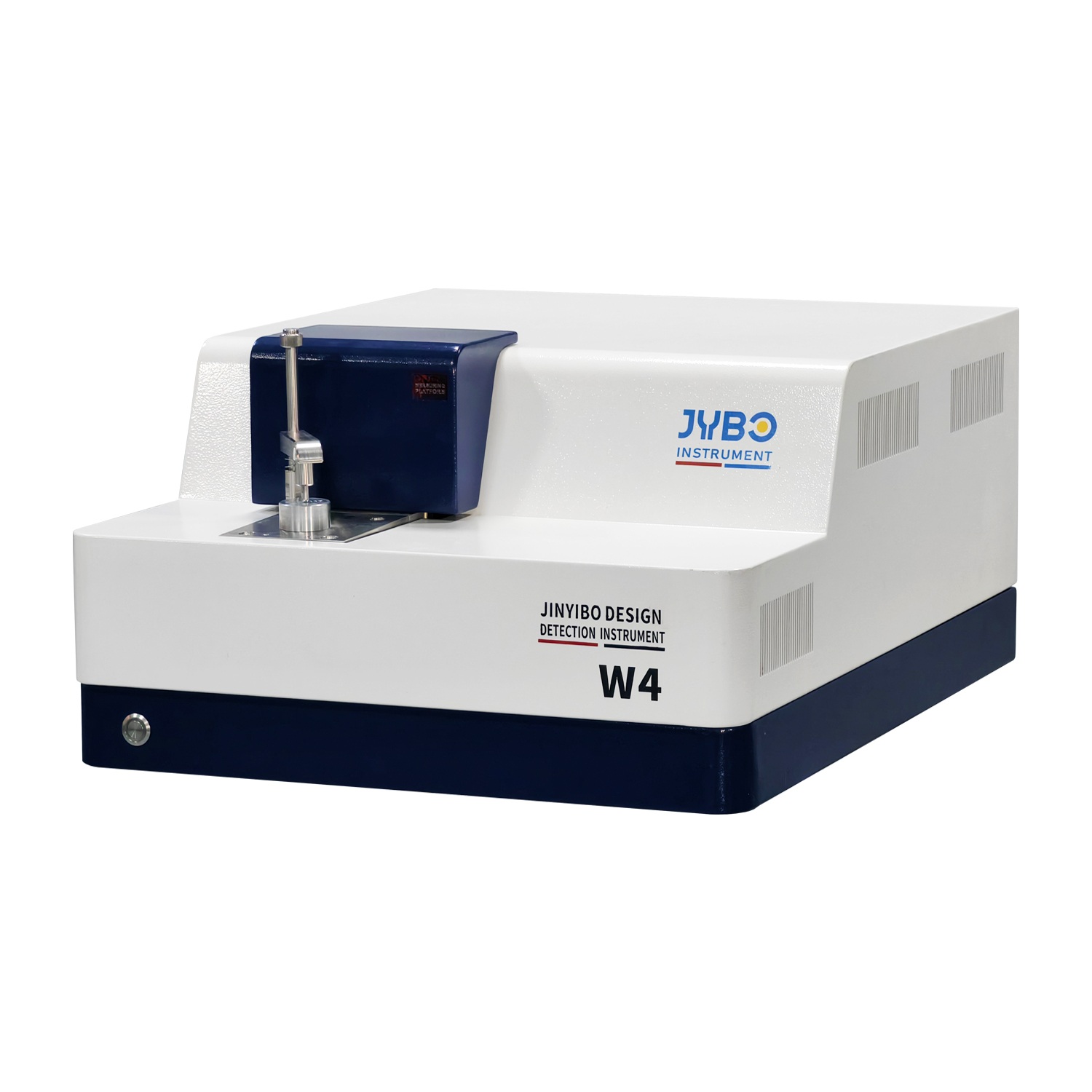
II. Here comes the key point: Which foundry should be chosen first?
The answer is clear: for the vast majority of foundries, CMOS is sufficient. It almost perfectly meets the core needs of casting production lines:
1. Multi-material compatibility: Whether it's gray cast iron, ductile iron, aluminum alloy, or copper alloy, CMOS provides full-spectrum acquisition in a single pass. Unlike PMT, which requires multiple parallel tubes to measure different materials, CMOS saves space and effort.
2. High efficiency and low cost: Pre-furnace sample testing takes only 30-40 seconds, allowing for batch testing without disrupting production. Argon consumption is low, and maintenance is simple, resulting in significant long-term cost savings.
3. Flexibility and minimal disruption: Adding new casting grades or elements requiring testing to the production line requires no changes to the optical path or additional hardware. Adjusting the spectrum and algorithm is sufficient, adapting to the rapid iteration of the production line.
Furthermore, the accuracy of current research-grade CMOS sensors can match or even surpass that of PMT, fully meeting the testing requirements of conventional casting. There's no need to blindly pursue "high-end" solutions.
III. Exceptions: When to choose PMT?
There is only one situation where PMT needs to be considered – when making high-end castings, such as aerospace-grade products, which require the detection of trace elements (such as B, P, and S) at the ppb level, with extremely stringent accuracy requirements. In this case, the high sensitivity of PMT can be put to good use.
IV. Summary and Recommendations
For conventional foundries (furnace pre-processing, multi-material batch testing): CMOS is the best choice due to its high cost-effectiveness, flexibility, and efficiency.
For high-end, high-purity casting (ultra-precision, trace element testing): PMT ensures accurate testing precision.
Please contact us for further inquiries or detailed information!
Tel:+86-183-5283 6805
Email:sales@jinyibo.com