Applications of Optical Emission Spectrometers
Optical emission spectrometers are core instruments for analyzing the spectral characteristics of substances. Atomic emission spectroscopy utilizes the high temperature of an electric arc (or spark) to directly vaporize elements in a sample from a solid state, exciting them to emit characteristic spectral lines. These lines are then dispersed by a grating, resulting in a "spectrum" arranged by wavelength. Direct-reading spectrometers are primarily used for rapid and accurate compositional analysis of metals and alloys, making them core testing equipment in metal processing, manufacturing, and quality inspection.
I. Development History
Since the 1980s, my country's foundry industry has introduced photoelectric direct-reading spectrometers as an analytical method for controlling chemical composition during smelting, gradually replacing traditional wet chemical analysis methods. Now, even small and medium-sized enterprises are gradually adopting spectroscopic methods in conjunction with pre-furnace analysis. Foreign-imported foundry production lines are equipped with dedicated spectroscopic analysis equipment, entering China as complete sets of equipment. This is an inevitable result of the increasingly stringent quality control requirements in the foundry industry, and also reflects the inherent advantages of photoelectric spectroscopy. Its enduring popularity over the past fifty to sixty years since its invention in 1945 is a testament to this.
II. Application Areas
1. Incoming Metal Material Inspection
Identifying and verifying the grade and composition of purchased steel, aluminum alloys, copper alloys, and other raw materials to quickly determine compliance with national or industry standards, preventing substandard materials from entering the production process.
Optical Emission Spectrometer Advantages:
(1) Rapid metal grade inspection;
(2) Accurate composition verification;
(3) Efficient screening of batch incoming materials.
2. Rapid Analysis Before the Metallurgical Furnace
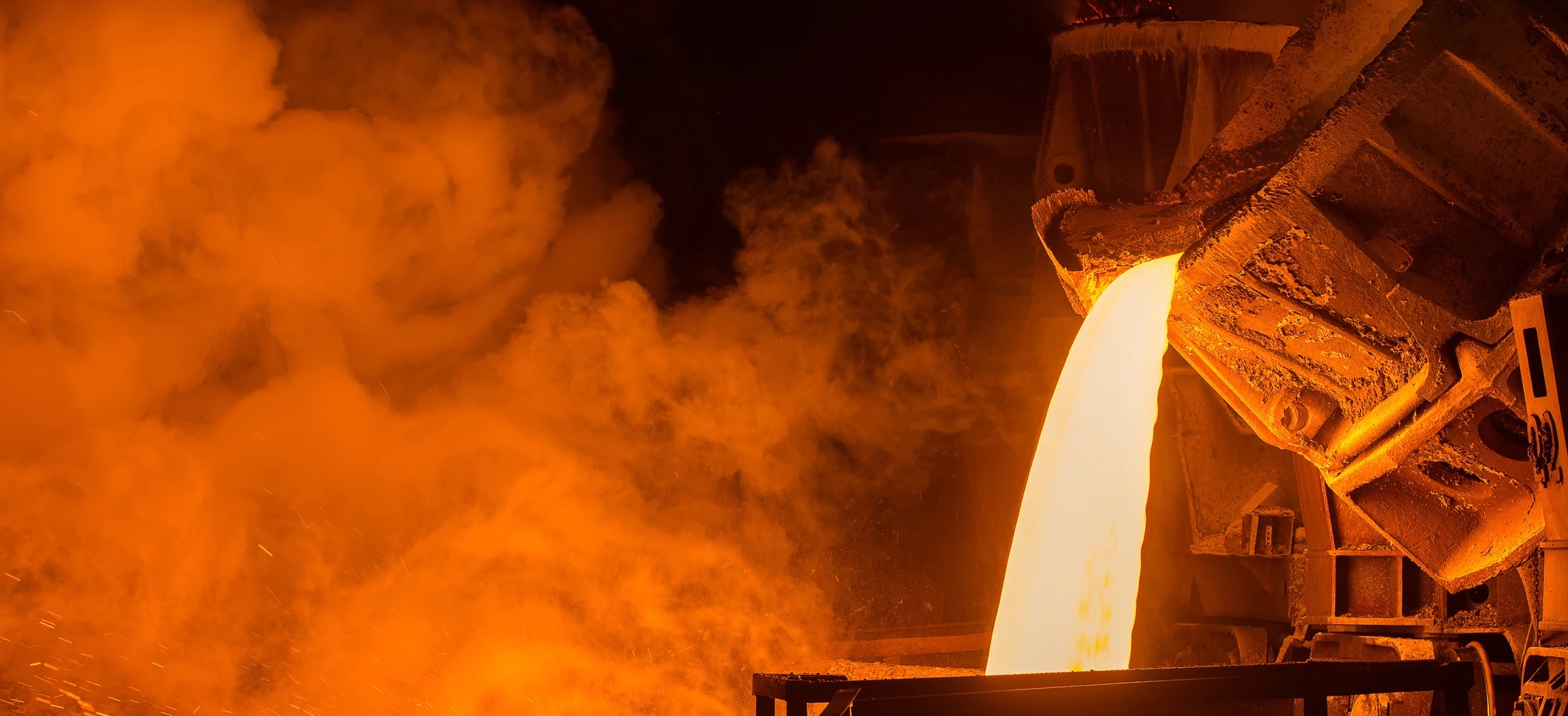
Real-time detection of the elemental composition of the melt during smelting (e.g., C, Si, Mn in carbon steel, Cr, Ni in stainless steel), allowing for timely adjustment of the batching ratio, shortening the smelting cycle, and improving product qualification rate.
Optical Emission Spectrometer Advantages:
(1) Rapid composition inspection;
(2) Real-time process control;
(3) Multi-furnace type compatibility;
(4) Reduced production costs.
3. Finished/Semi-finished Product Quality Control
Detecting the elemental content of finished metal products such as automotive parts, aerospace components, and hardware products to ensure product performance meets standards, while also checking for excessive levels of impurities (e.g., P, S).
Optical Emission Spectrometer Advantages:
(1) Precise verification of finished product composition;
(2) Re-inspection of grade consistency;
(3) Batch quality stability control;
(4) Assistance in failure analysis.
4. Scrap Metal Recycling and Sorting
Rapidly identifies the grade and composition of mixed scrap metals, achieving precise sorting of different types of metals, improving the efficiency and value of recycling and reuse.
Optical Emission Spectrometer Advantages:
(1) Rapid sorting of scrap metals;
(2) Screening of composition and impurities;
(3) Optimization of recycling process;
(4) Rapid on-site detection.
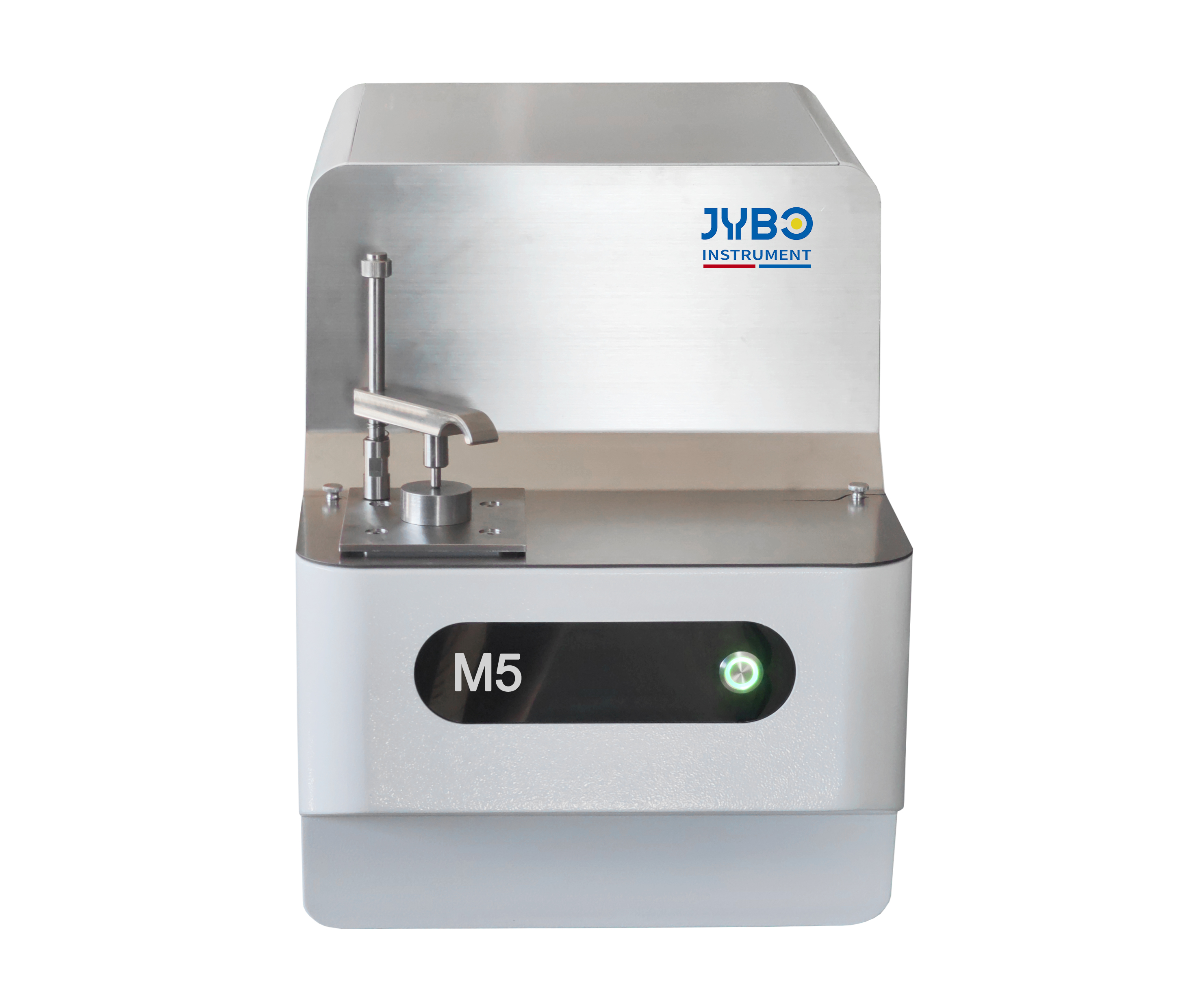
Direct-reading spectrometers are designed for rapid, accurate, and non-destructive compositional analysis of metals and alloys, covering almost all the testing needs throughout the entire life cycle of metals. They are core testing equipment in the fields of metal processing, manufacturing, and quality inspection.