The Importance of Argon Gas in Spectrometers
The core working principle of a full-spectrum direct-reading spectrometer is to use a dispersive system to decompose the composite light from a light source into spectra arranged by wavelength or frequency. Then, a detector measures the intensity of light at different wavelengths to analyze the composition and structure of the sample. If the instrument contains air, it will absorb the excitation light, causing inaccurate measurement results. Therefore, removing air from the instrument is crucial.
I. Full-spectrum direct-reading spectrometers can be divided into two categories: argon-filled spectrometers and vacuum spectrometers.
1. Argon-filled Spectrometer Working Logic:
1.1. Before the sample is excited by a spark or electric arc, the optical chamber is filled with high-purity argon gas to expel air (especially oxygen and nitrogen).
1.2. In an argon atmosphere, the atomic spectra generated by the sample excitation will not be oxidized by oxygen or react with nitrogen, avoiding interference from stray peaks and spectral intensity attenuation.
1.3. The pure characteristic spectra are dispersed by a grating and accurately captured by a detector, ultimately outputting accurate elemental content data.
2. Vacuum Spectrometer Working Logic:
2.1. Before sample excitation, a vacuum pump evacuates the excitation chamber to a low vacuum state, removing gases such as oxygen and nitrogen.
2.2. The vacuum environment prevents the absorption of the ultraviolet characteristic spectra of light elements such as carbon, sulfur, and phosphorus by air, reducing interference from stray peaks.
2.3. The pure characteristic spectra after grating dispersion are received by a photodetector, ultimately outputting accurate elemental content data.
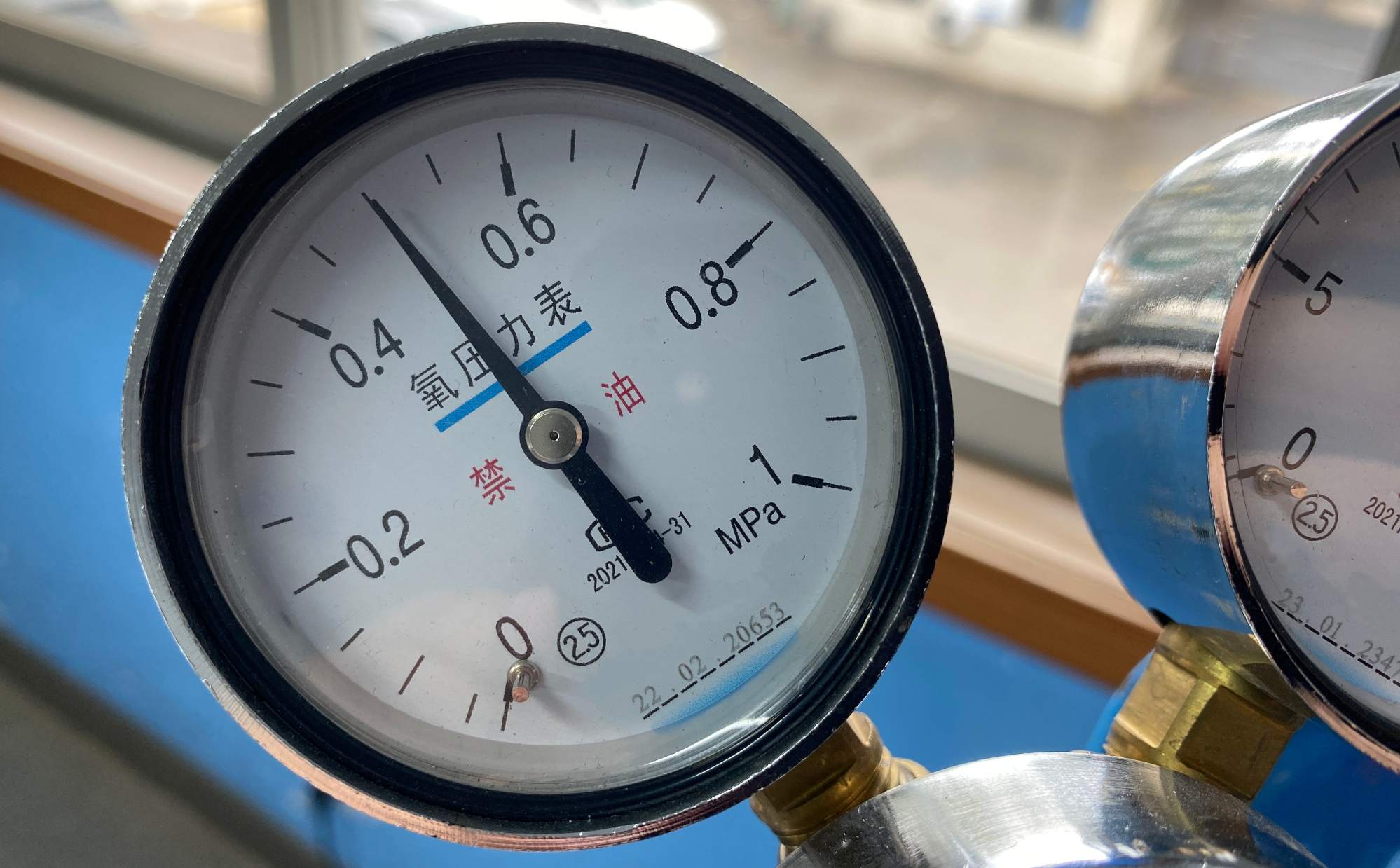
II. Application of Argon in Spectrometers
1. Protective Gas in the Excitation Stage:
During the excitation stage of metal samples, high-purity argon is introduced into the excitation chamber to purge air (especially oxygen and nitrogen), preventing easily oxidizable elements in the sample (such as aluminum and titanium) from oxidation. It also prevents nitrogen from reacting with the sample to produce stray peaks, ensuring that the characteristic spectra of light elements such as carbon and sulfur are not interfered with, thus improving detection accuracy.
2. Protective Gas in the Optical Chamber:
The optical chamber of an argon-filled spectrometer is filled with high-purity argon gas, while the surrounding air is exhausted. Therefore, in this argon atmosphere, after dispersion by the grating, the pure characteristic spectra entering the optical chamber are not oxidized by oxygen or react with nitrogen, avoiding interference from stray peaks and spectral intensity attenuation. This allows for precise detection by the detector, ultimately outputting accurate elemental content data.
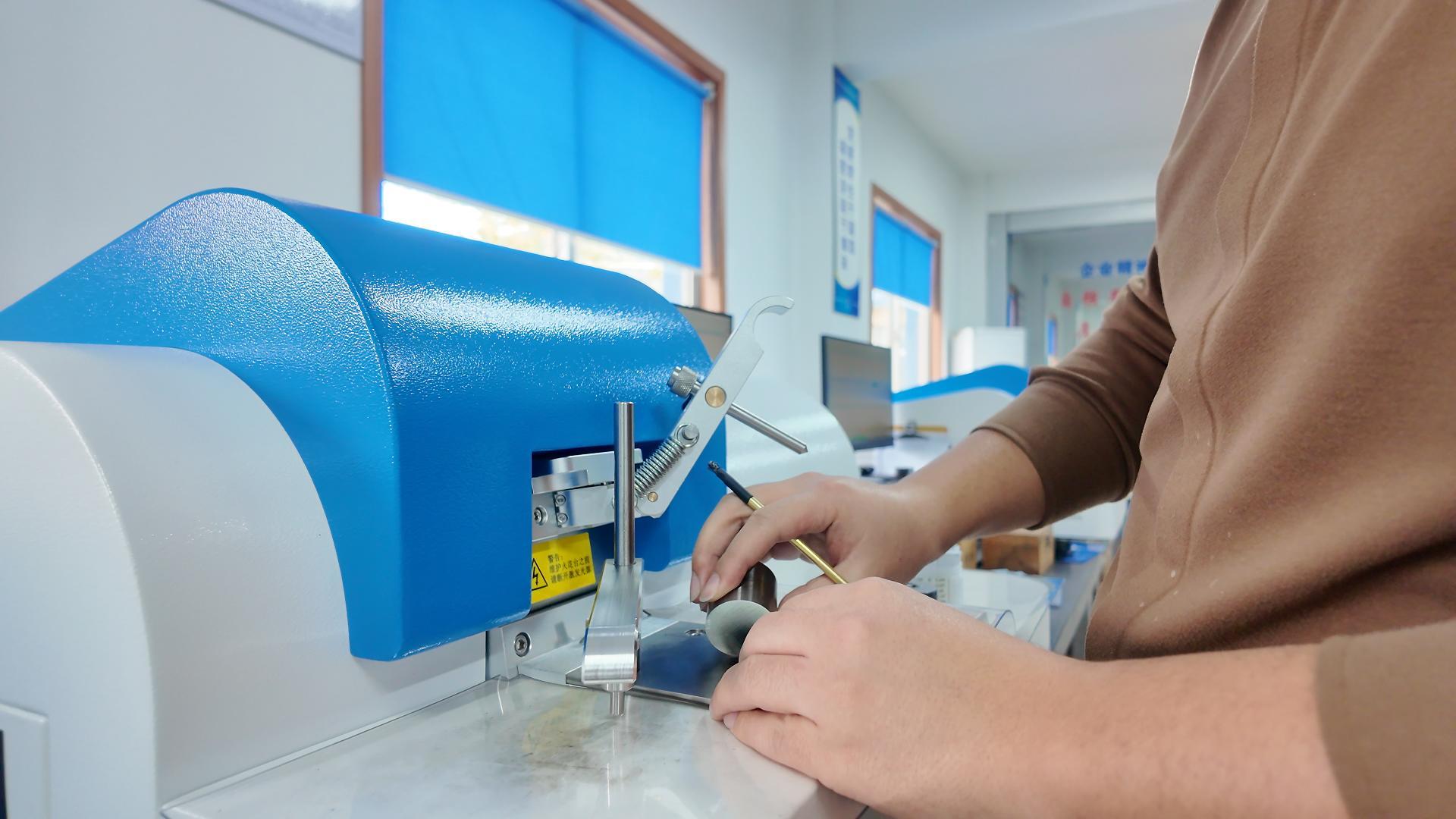
III. The Impact of Argon Purity on Detection Accuracy
1. Reasons for Argon Impurity:
1.1. Production and Purification Process:
Inefficient distillation columns during air separation argon production can leave behind impurities such as oxygen, nitrogen, and carbon dioxide. When using recycled argon for purification, incomplete purification can also lead to decreased purity if the raw material gas contains welding fumes or moisture.
1.2. Storage and Transportation Process:
Unclean argon cylinder walls can leave residual moisture, oil, or other gases; leaky cylinder valves and pipelines can allow air to enter; mixing cylinders containing different gases can cause cross-contamination.
1.3. Filling Operation:
The cylinders and pipelines were not adequately vacuumed and purged before filling; the pressure gauges, flow meters, and other measuring instruments in the filling equipment lacked accuracy; or other gas sources were introduced during the filling process.
2. Argon Purification Methods:
2.1. Source Control:
Select reputable gas suppliers and specify the purchase of high-purity argon (purity ≥ 99.999%), requiring quality inspection reports to avoid directly filling the cylinder with low-purity argon.
2.2. Cylinder Pretreatment:
Before first use or gas replacement, vacuum the argon cylinder to remove residual air, moisture, and other impurities; alternatively, use high-purity argon for purging, repeatedly filling with small amounts of high-purity argon and then purging to reduce impurity concentration.
2.3. Gas System Cleaning:
Pipelines and connectors connecting to the spectrometer must be kept clean and dry. Regularly check for leaks and dust accumulation to prevent air from seeping into the gas system and contaminating the argon inside the cylinder.
2.4. Proper storage and use:
Argon cylinders should be placed vertically in a cool, dry place, away from heat sources and corrosive substances; maintain stable pressure inside the cylinder during use to avoid backflow of outside air due to sudden pressure drops; close the valve promptly after use to prevent impurities from entering.
Please contact us for further inquiries or detailed information!
Tel:+86-183-5283 6805
Email:sales@jinyibo.com